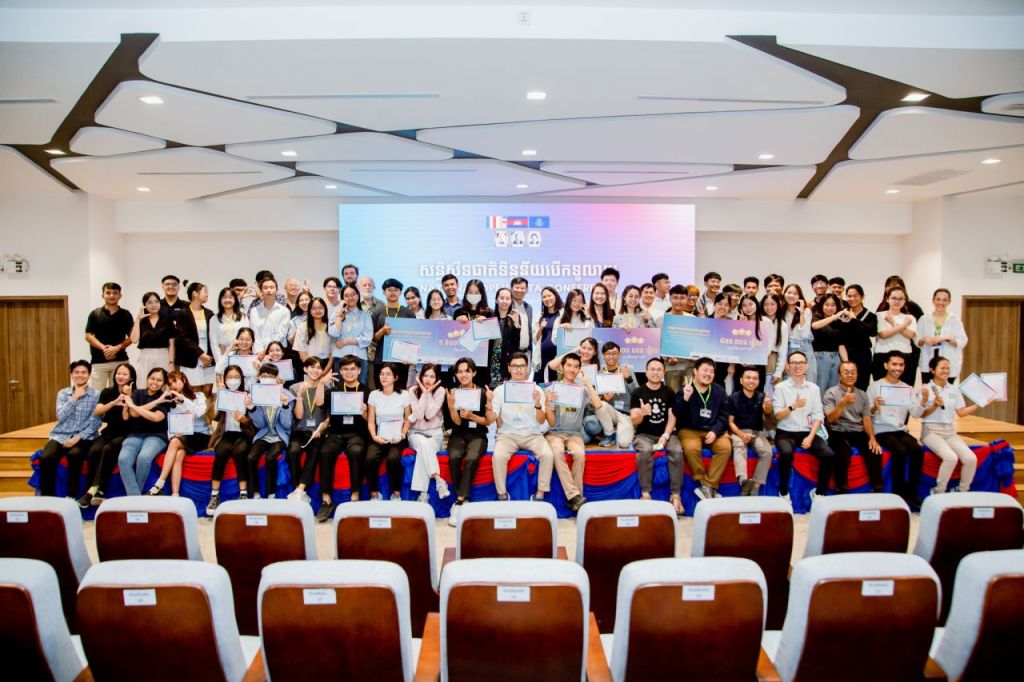
While going back through old notes and photos to write these stories, I came across two Facebook posts I’d never properly sat with before—both from a week in March 2024, when we hosted Cambodia’s National Open Data Conference.
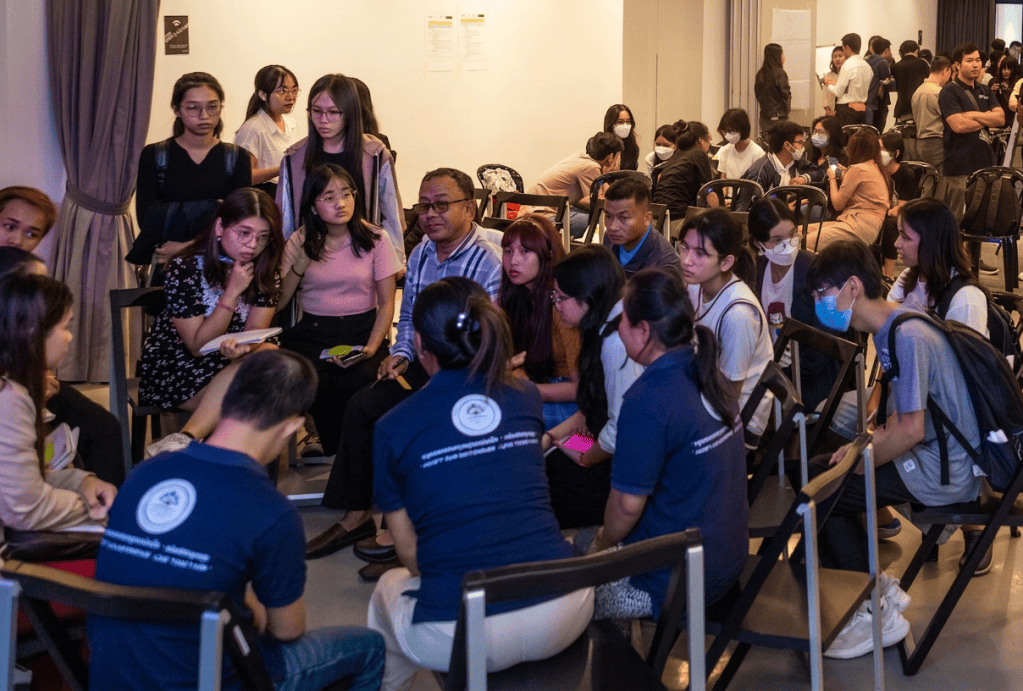
One was from Kampuchea Sëla Handicap, showing young Cambodian adults with intellectual disabilities, their name tags still slightly crooked, having just spent two days in a room usually reserved for ministries, development organisations, and data professionals. The other was from Damnok Toek, whose director had joined one of our panels and spoken plainly about the need for Cambodia’s digital future to include people like the communities they represent.
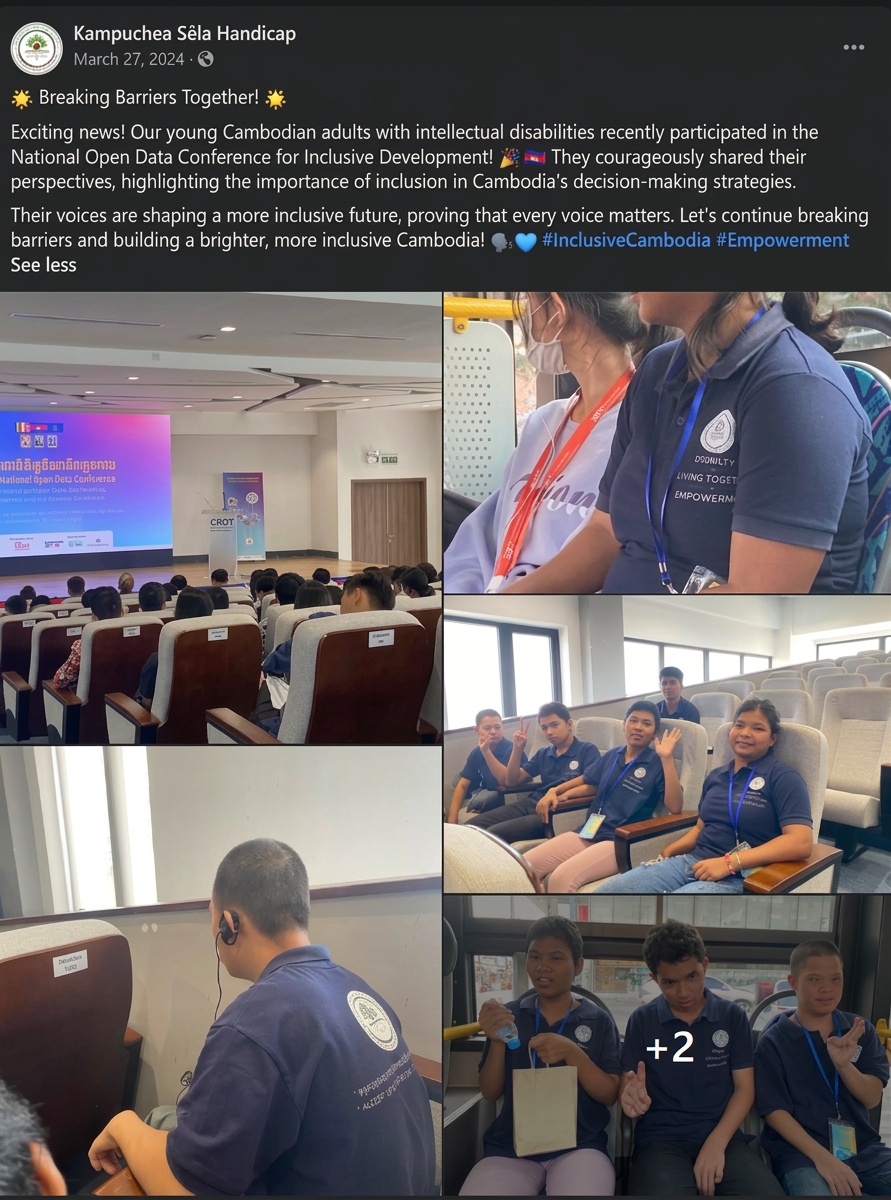
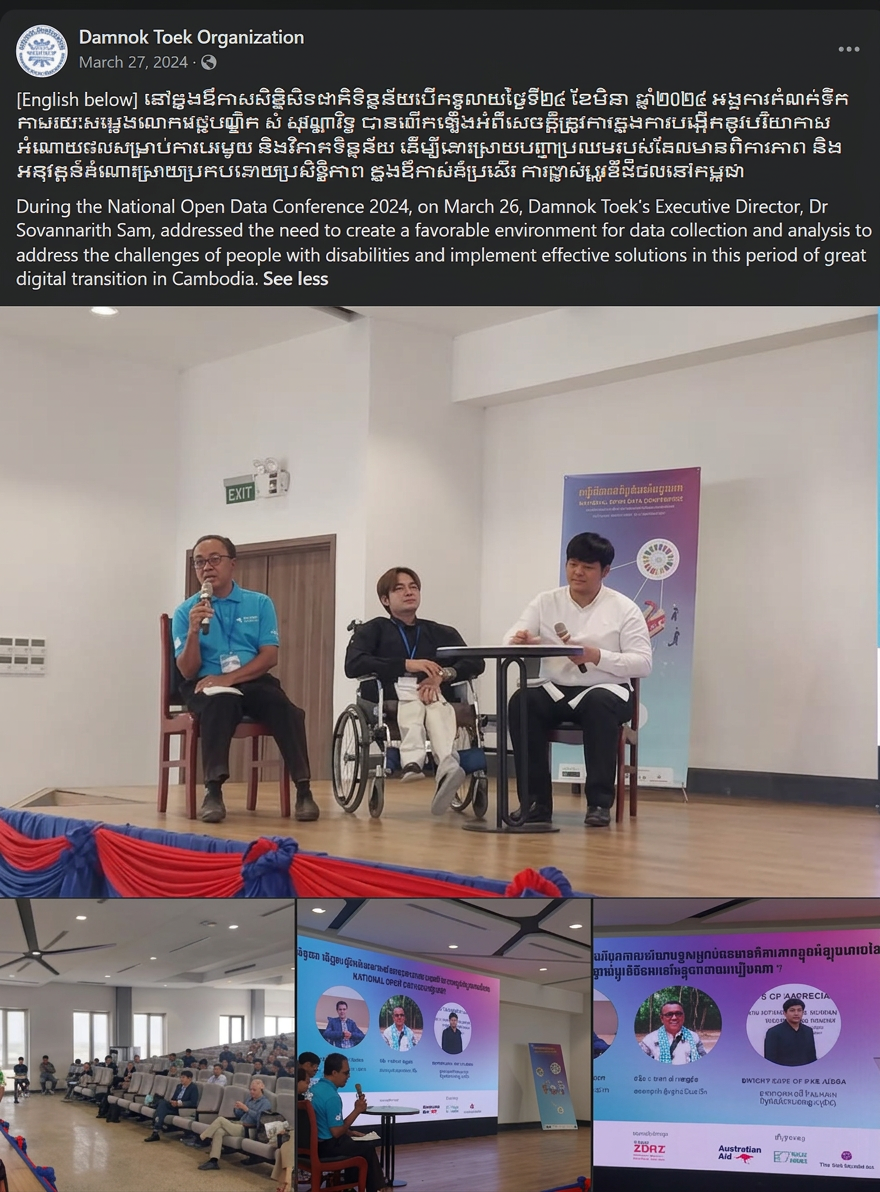
Reading those posts again, years later, settled into something quiet and warm. They were a small reminder that the care we had put into that week had reached people in a way that no report, agenda item, or project indicator could really capture.
What I heard as a mother
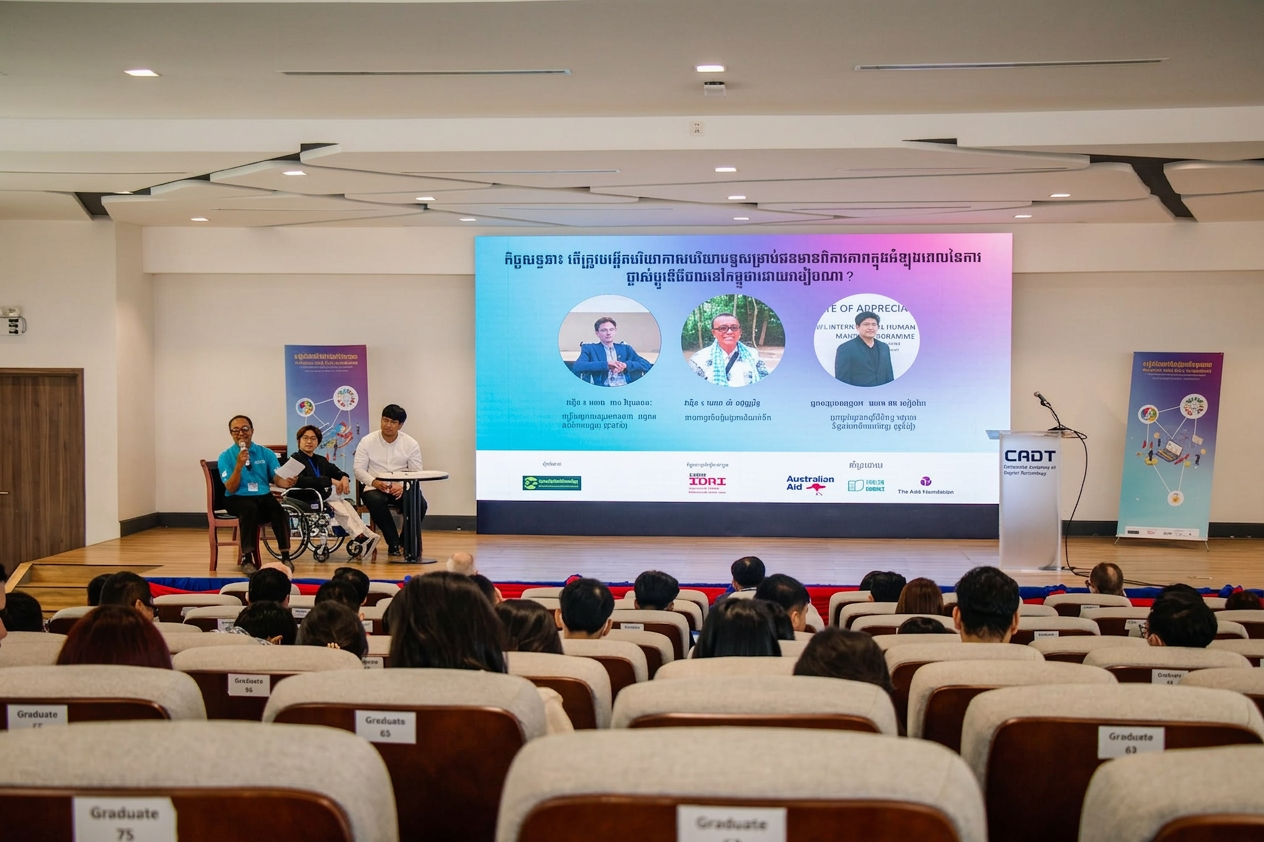
During the hackathon’s call for solutions on the first day, and again two days later during the disability panel, I found myself listening closely to struggles I’d rarely heard spoken about so plainly before.
I’m a mother of two, and something about hearing how children with disabilities can sometimes be left at hospitals or care centres—without parents or relatives able to care for them, leaving organisations already stretched thin on funding to carry the full weight of their care—affected me deeply.
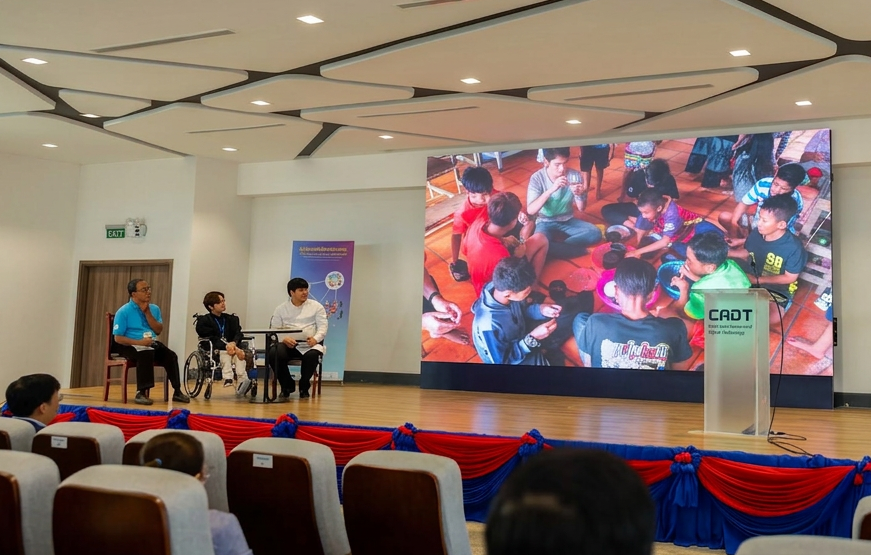
What stayed with me was not only the difficulty of their circumstances, but also how limited their access to technology and opportunities could be.
We were gathered in a conference built around data, technology, and digital innovation. Yet some of the people who could benefit from that progress most were still struggling to have their voices heard.
That made the idea of inclusion feel much more immediate to me.
It was no longer just something I could write into a project plan or mention in a discussion about digital access. There were actual people sitting in the room, telling us what those barriers looked like from where they stood.
A booth of their own
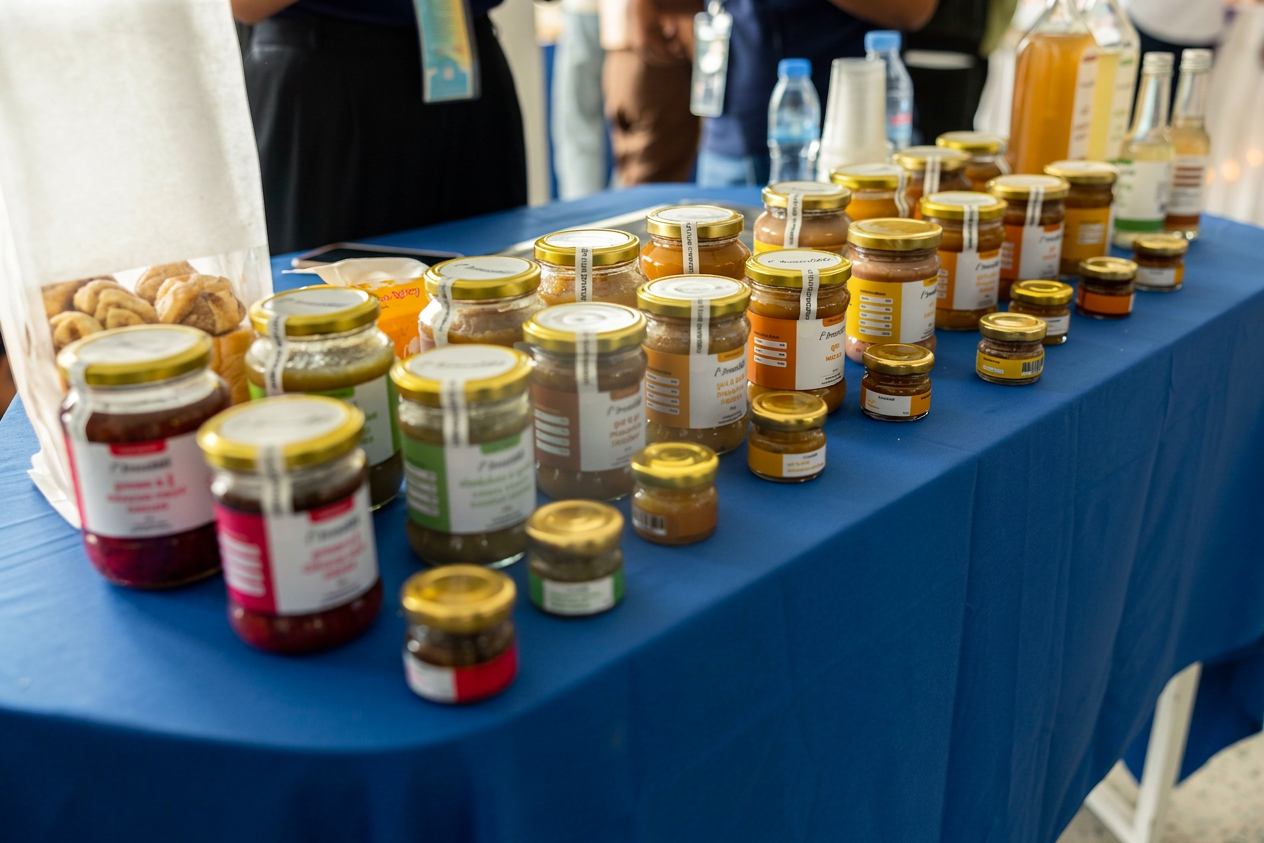
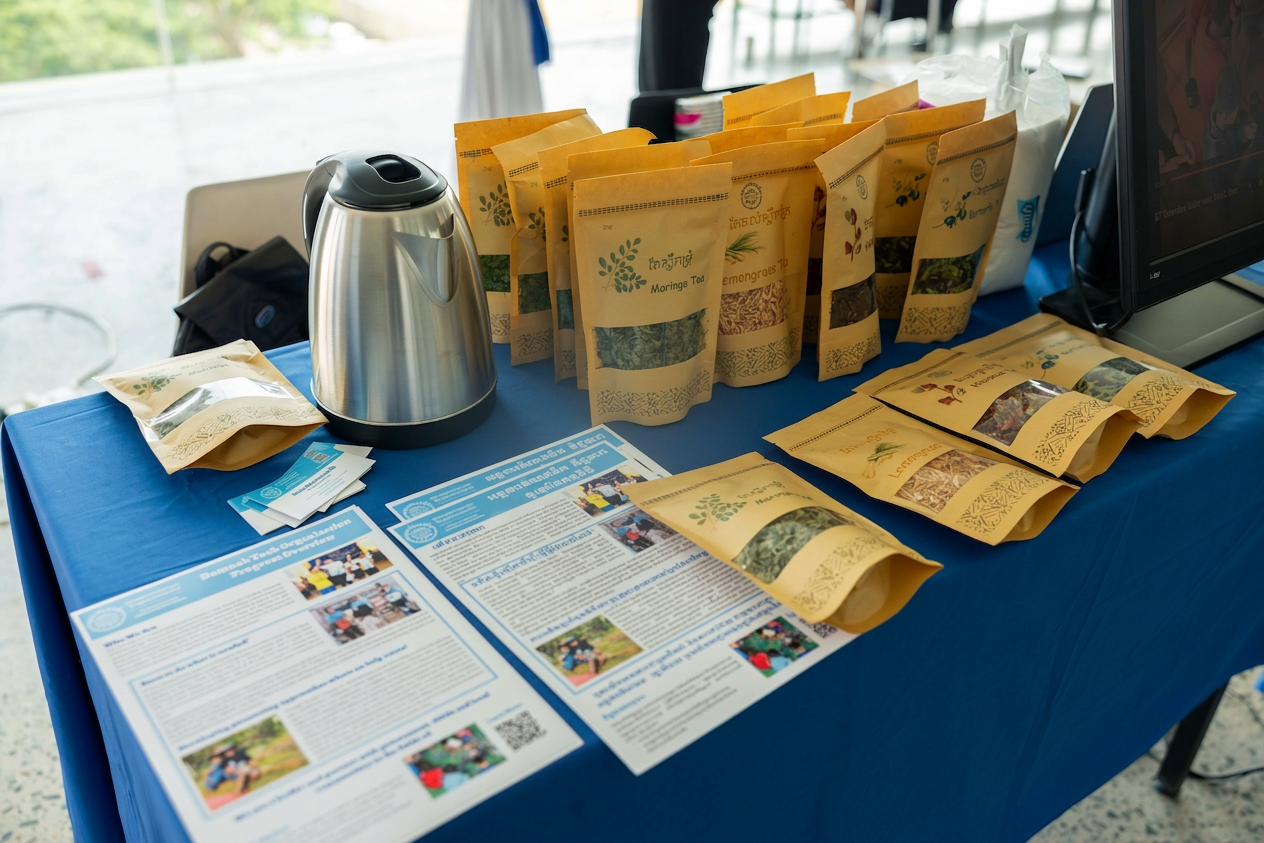
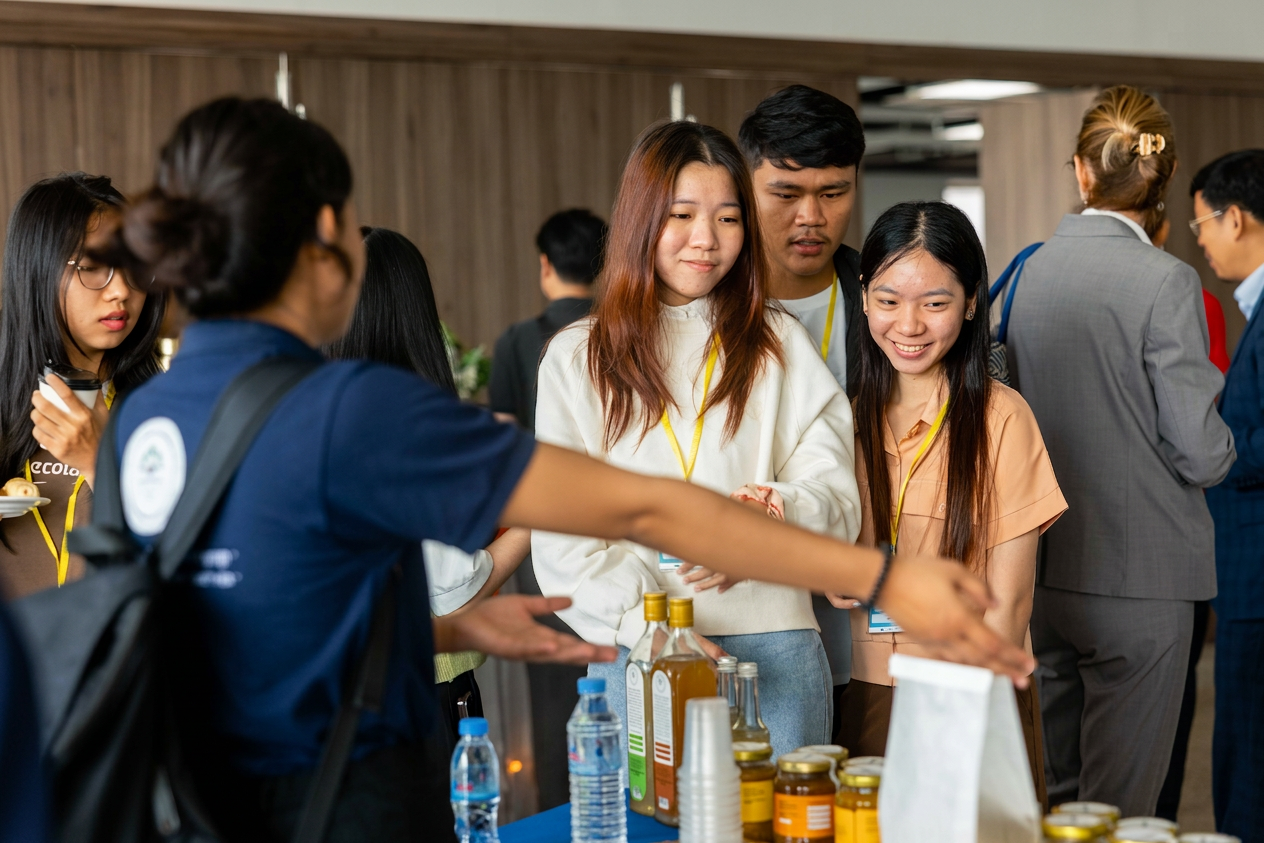
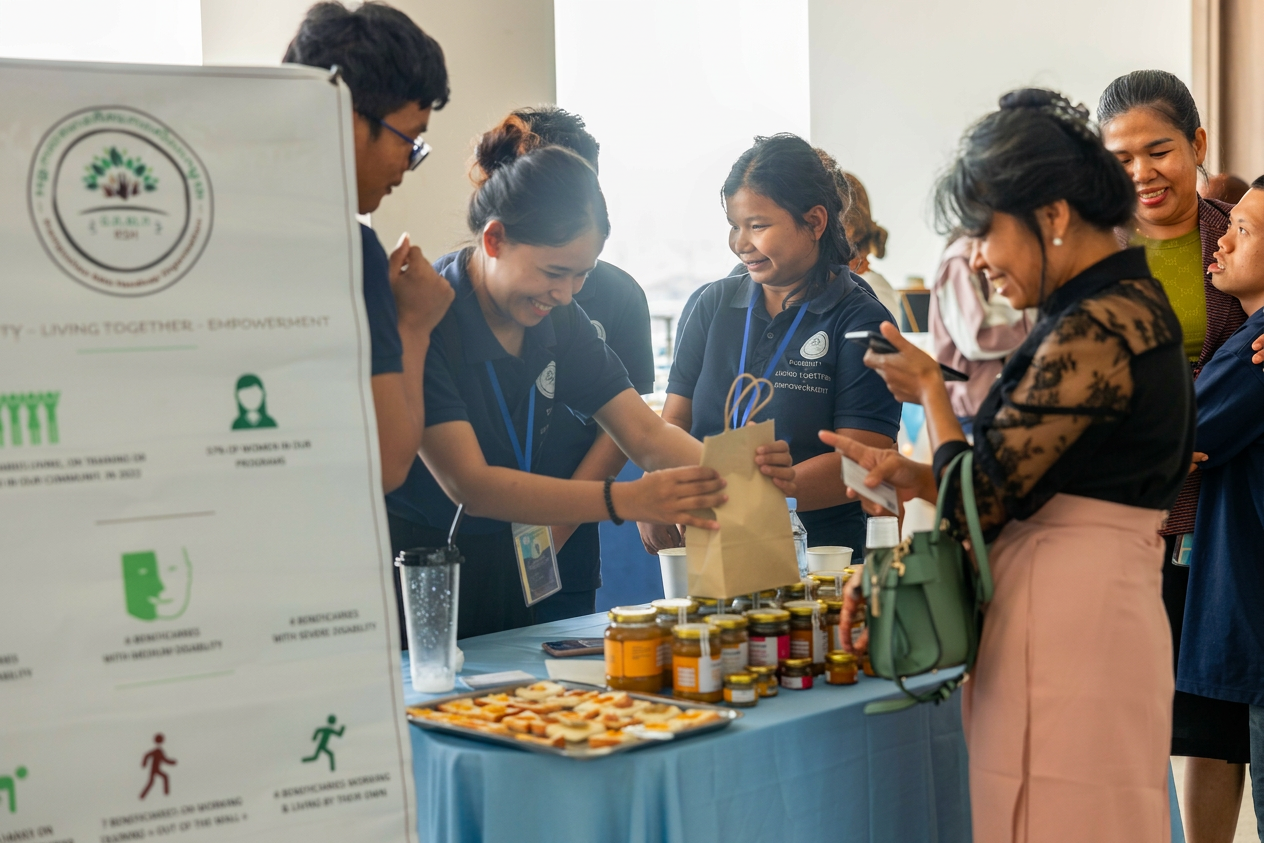
That’s part of why, when Kampuchea Sëla Handicap and Damnok Toek Organisation joined the conference, I made sure they had a booth of their own—a small table where they could display fruit jam made at their centre, right alongside the panels, demonstrations, and data dashboards.
It was a small decision, but it mattered.
They were delighted simply to be there as participants, with something of their own to share. They weren’t there only as people being discussed in a disability-focused session; they were present as contributors, alongside everyone else.
For those two days, I think they felt genuinely welcomed, heard, and included.
And perhaps that was the point.
Sometimes inclusion is not a complicated intervention. Sometimes it starts with noticing who is in the room, asking what would make it easier for them to participate, and then making space.
What their words told me
That’s really why those two posts meant so much to me.
What moved me most was hearing that, perhaps for the first time in that kind of setting, technology practitioners had taken the time to sit down, listen, and learn from them—rather than arriving with a ready-made solution without first asking what people actually needed.
Their words carried something I hadn’t expected: hope for more events like this, but also a quiet insistence that people with disabilities—organisations, representatives, and individuals alike—deserve an equal seat at the tables where policy and technology are discussed and shaped, not only at events created specifically for them.
Looking back, that is probably the part of the conference I remember most clearly.
It reminded me that inclusive development is not simply about inviting people into a project or adding an inclusion activity to a workplan. Sometimes it is about making space for people to participate, contribute, and be seen as part of the conversation from the beginning.
And that’s really why I care so much about the work itself—the project, the plan, the people it’s meant to reach, and whether it actually makes a difference in their lives.
Some things can matter enormously and still never show up in a workplan, a proposal, an annual report, or a performance review.
But sometimes, years later, you come across a photograph or a few words from someone who was there—and you realise that the effort reached further than you knew.
For me, that is what makes the work worth it.
Want to explore the events further?
If you’re curious about Open Data Day and Cambodia’s first National Open Data Conference in 2024, you can explore the event stories, videos, and outcomes report below:
- Open Data Day 2024: Open data for sustainable and inclusive development for all
- First Cambodia’s national open data conference opens its doors!
- National Open Data Conference concludes: Paving the way for an inclusive future
For more details, see the outcomes report.

