Tag: Cambodia

  • When I Signed Up for a CSR Session and Found a Community

    When I Signed Up for a CSR Session and Found a Community

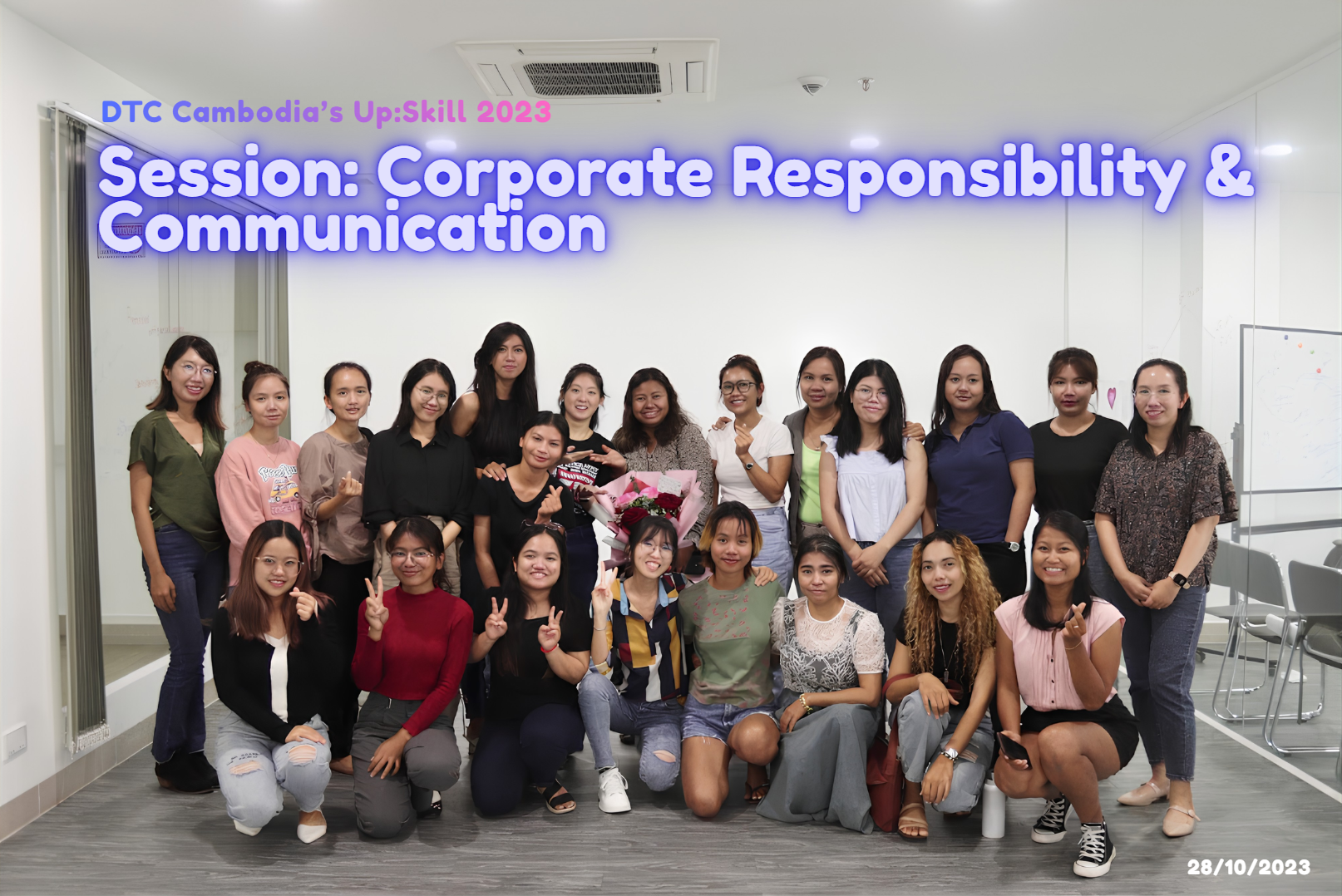
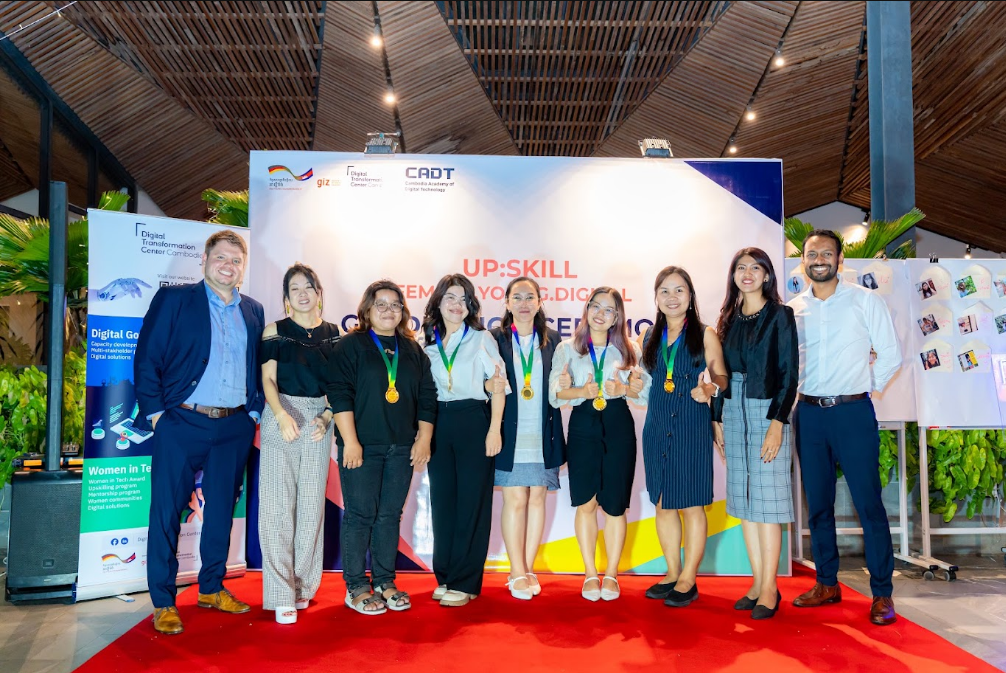
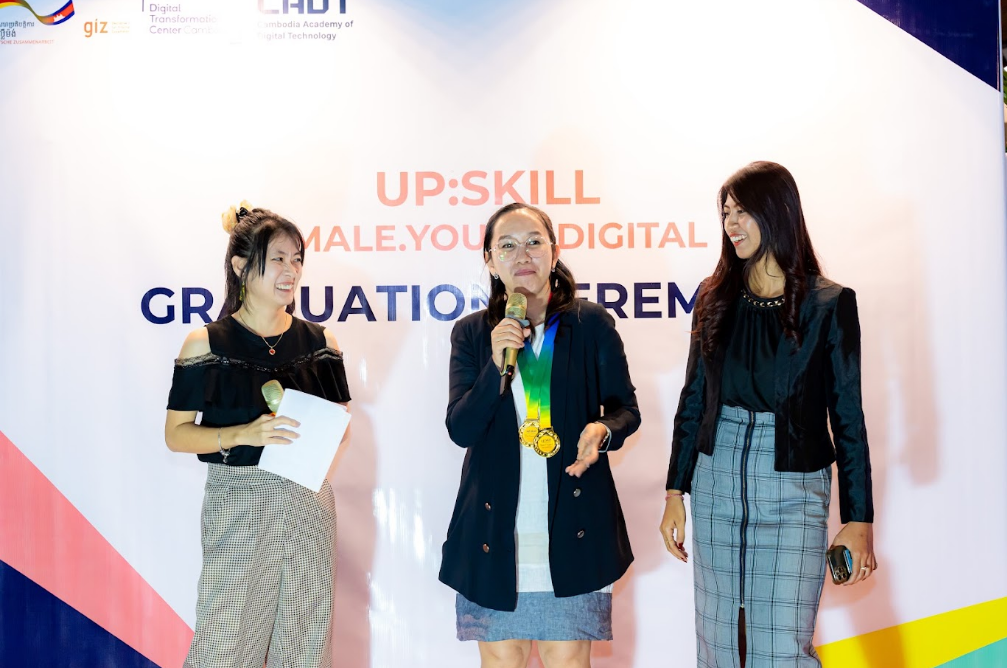
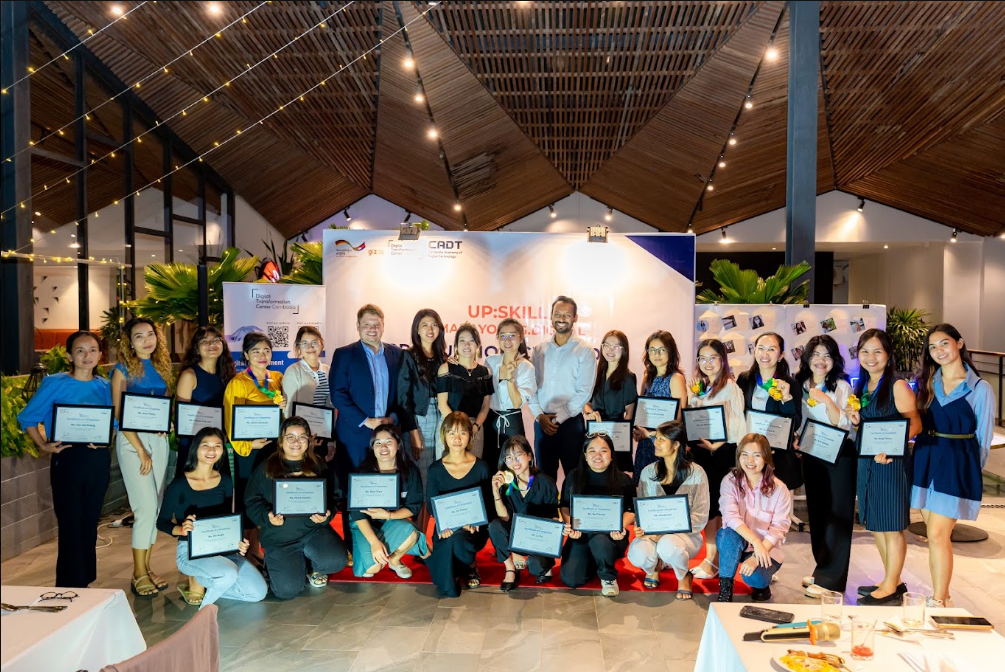
    In 2023, I joined the first cohort of Up:skill Women in Tech, a programme organised by the Cambodia Academy of Digital Technology (CADT), Digital Transformation Center Cambodia (DTC), and GIZ.

    The programme brought together women from different backgrounds and career stages for sessions on technology, professional development, leadership, and other parts of working life.

    I didn’t join because I was looking for a community.

    I joined because I saw a session on corporate social responsibility.
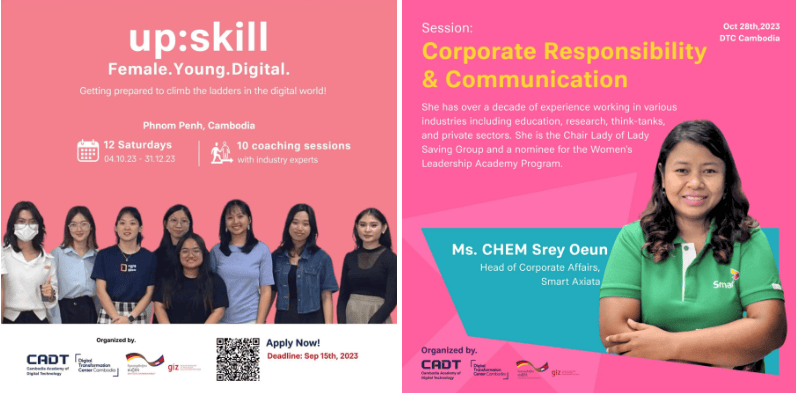
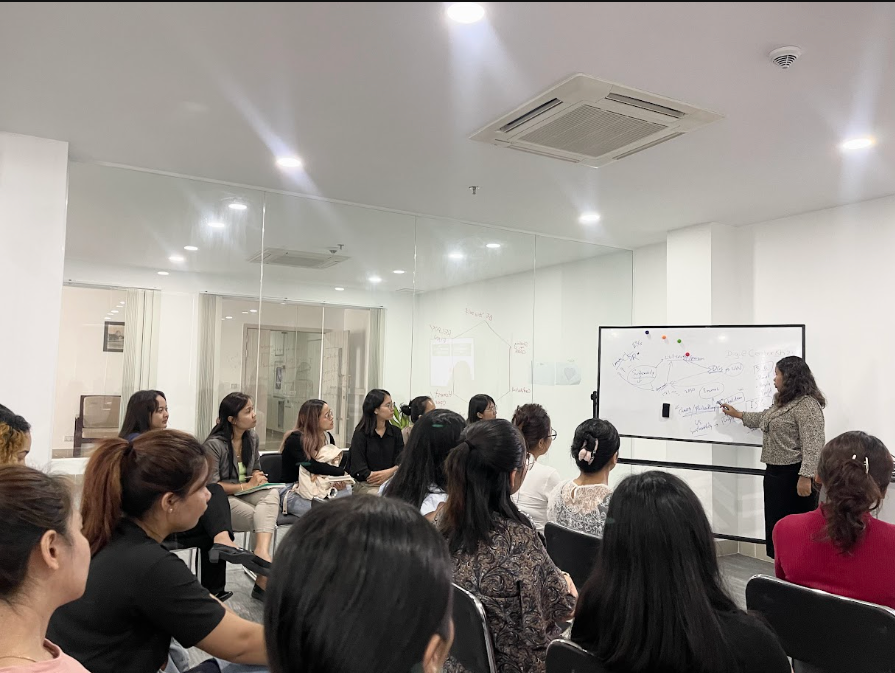
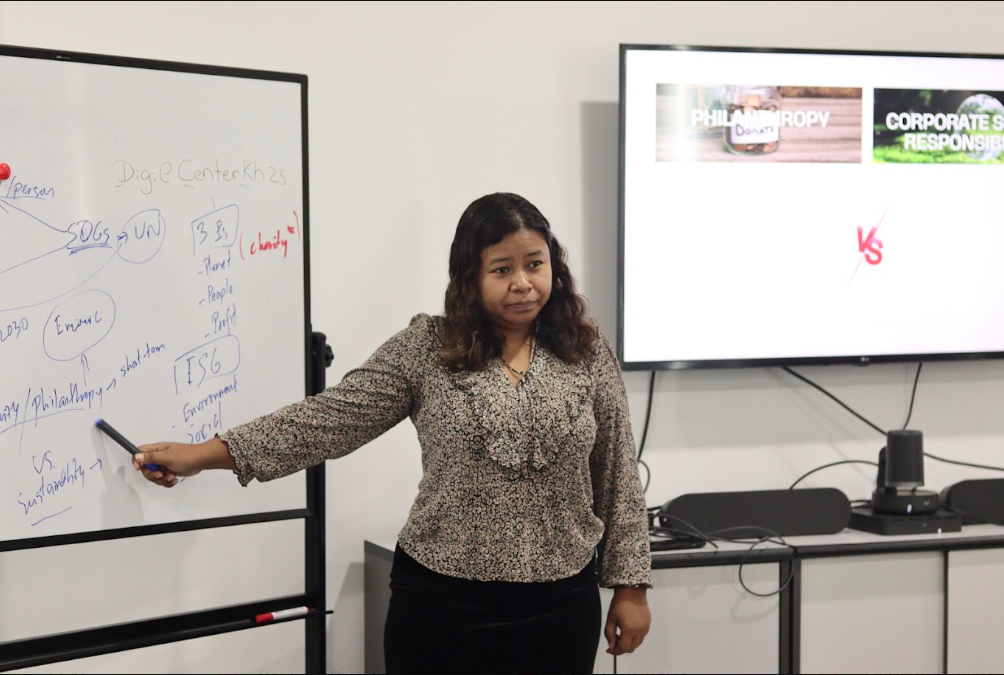
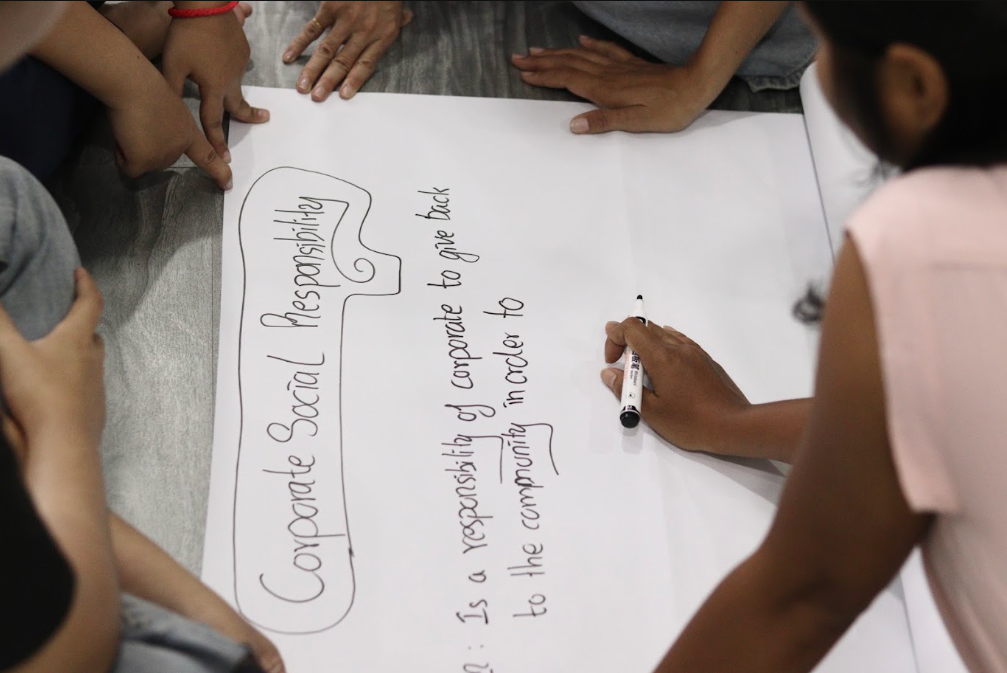
    The CSR session that first brought me into Up:skill.

    At the time, I was working on a foreign investment project and expanding a dataset on companies involved in CSR activities in Cambodia. Most of my previous exposure to CSR had been through the civil society side, so I was curious about how companies themselves understood it.

    I wanted to hear a different perspective.

    That was the reason I signed up.

    I didn’t know that the session would eventually lead me somewhere else.
    I came for the content. I stayed for the room.

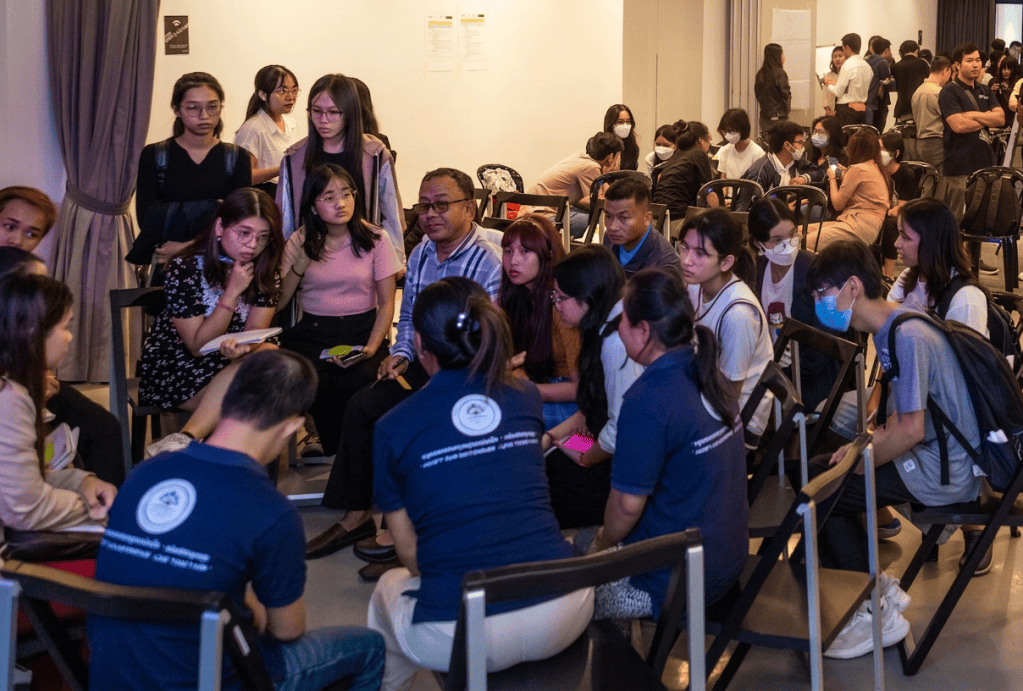
    Every weekend, we learned from different experts and then had space to talk with one another.

    The CSR session may have been what first brought me into the room, but it was not the only reason I kept coming back.

    Each session offered something different—new ideas, practical exercises, conversations about technology and careers, and moments that made me reflect on my own work and growth.

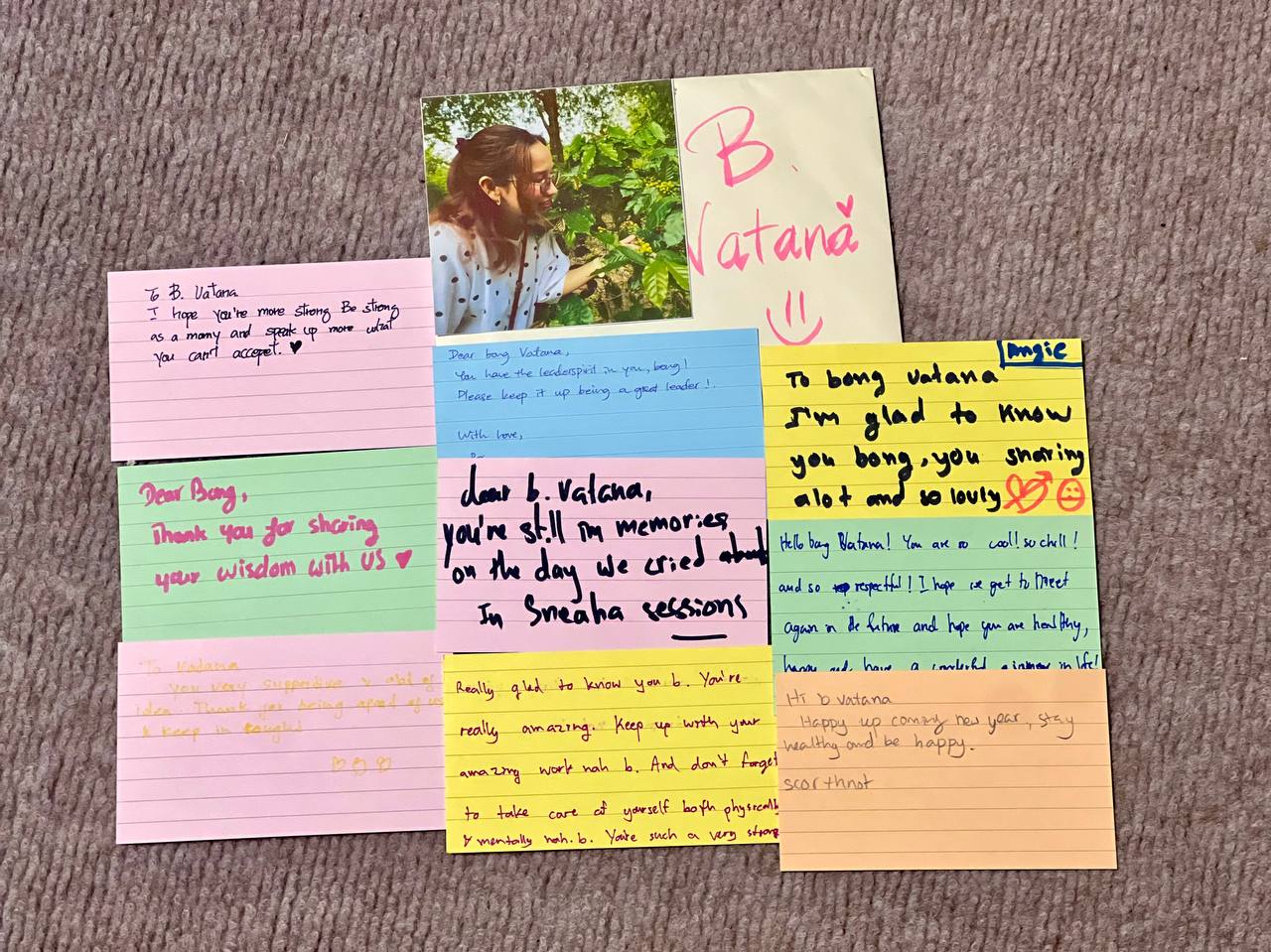
    Looking back, I think I learned in more than one way—through the sessions, through the work we did together, and through the people I met along the way.

    What stayed with me wasn’t only what we learned.

    It was the room.

    There were women who were just starting their careers and women who were already leading teams. There were people from different sectors, generations and professional experiences.

    Yet, somehow, the usual distance between senior and junior felt smaller.

    People shared openly.

    There wasn’t much pressure to have the perfect answer or to present yourself as someone who already had everything figured out.

    You could simply talk about what you had experienced.
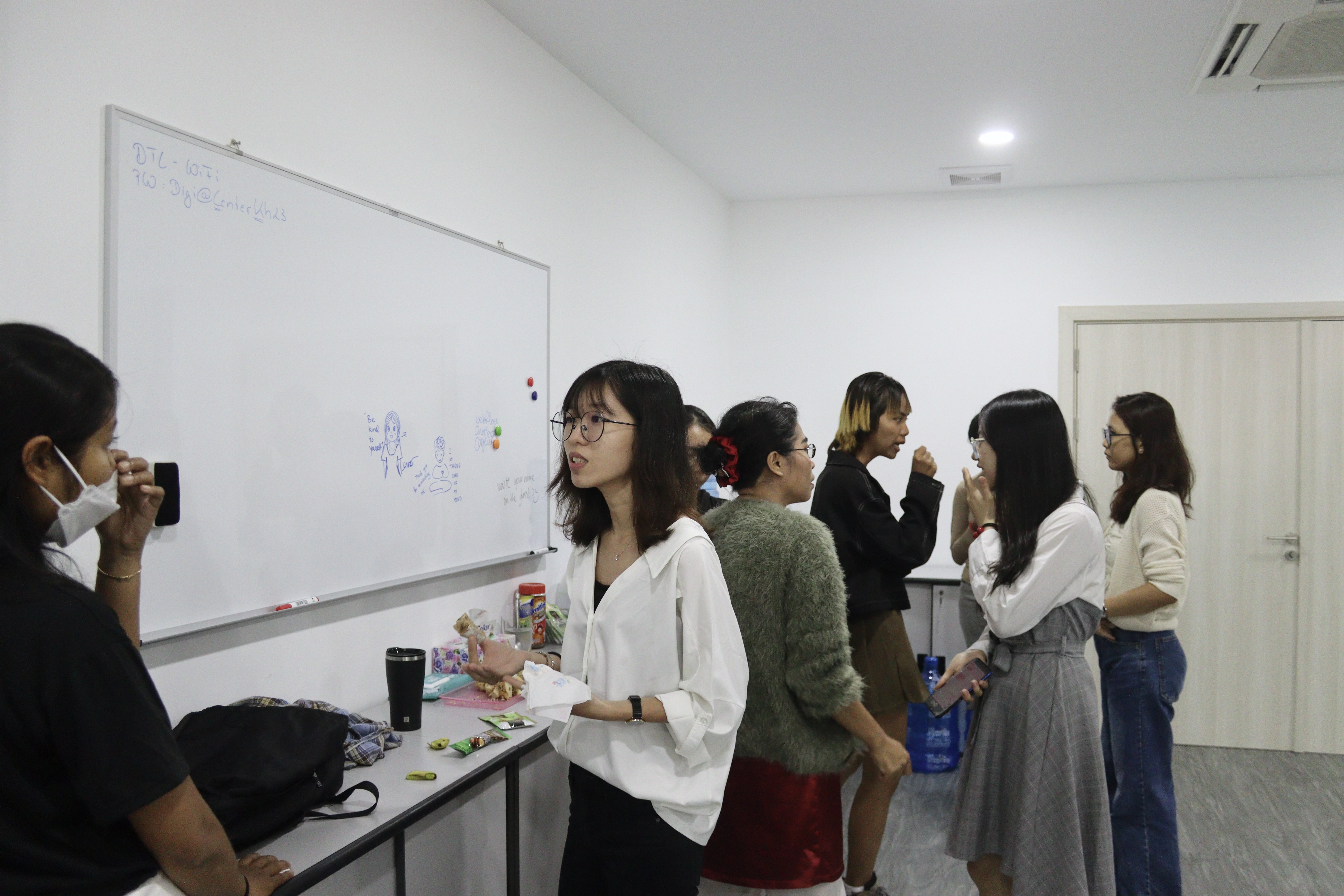
    I found myself looking forward to those weekends.

    There was something about being around women who could talk honestly about work, ambition, uncertainty and life that felt different.

    The session I still remember

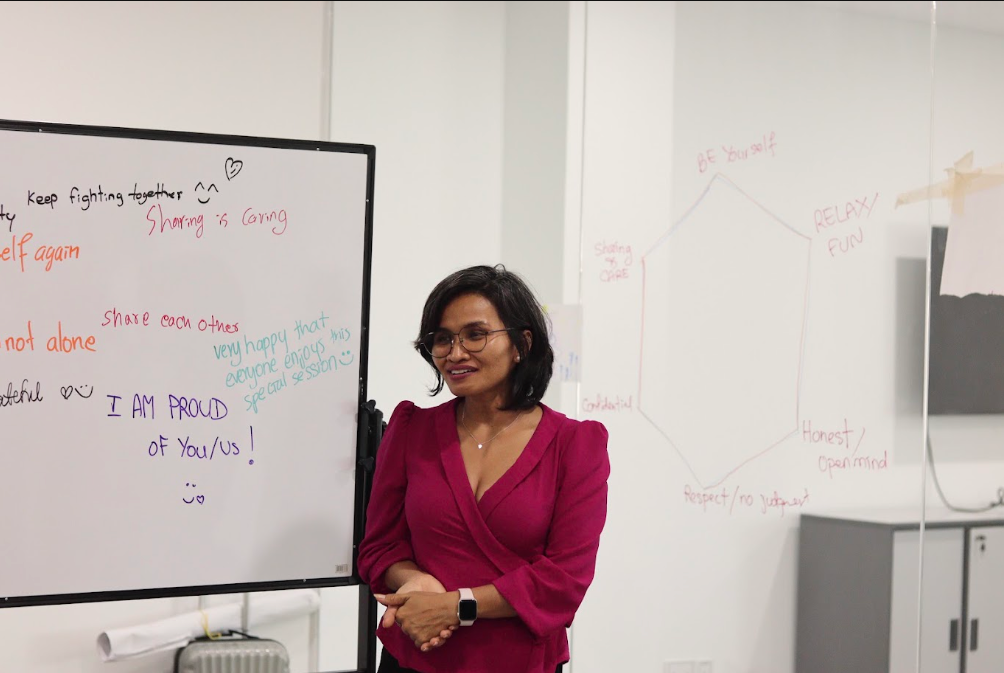
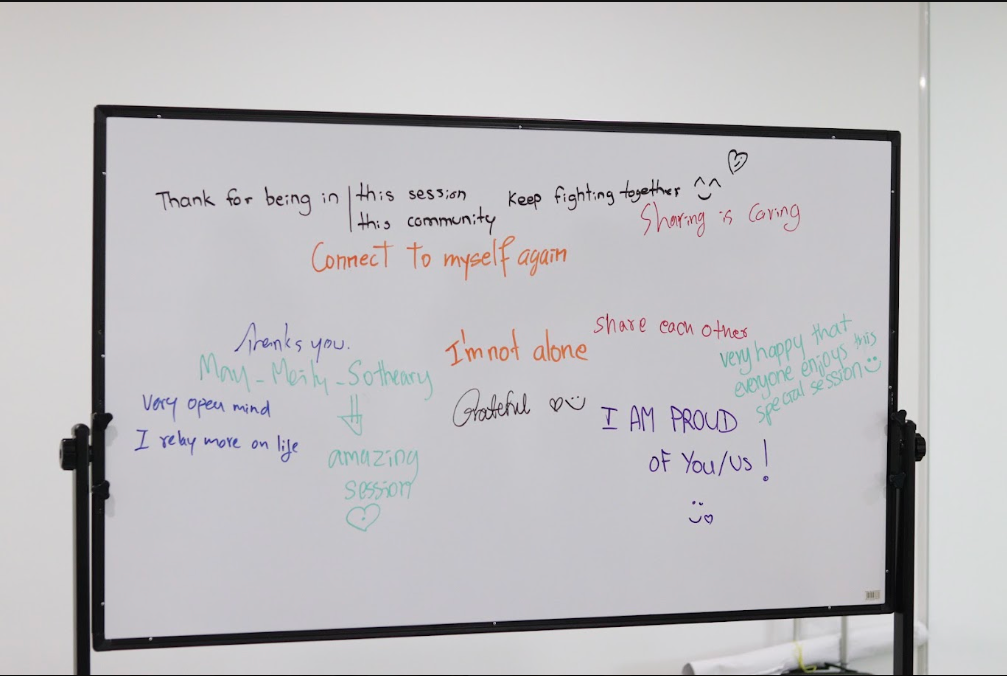
    One session about self-love has stayed with me.

    The conversation moved beyond the usual professional topics.

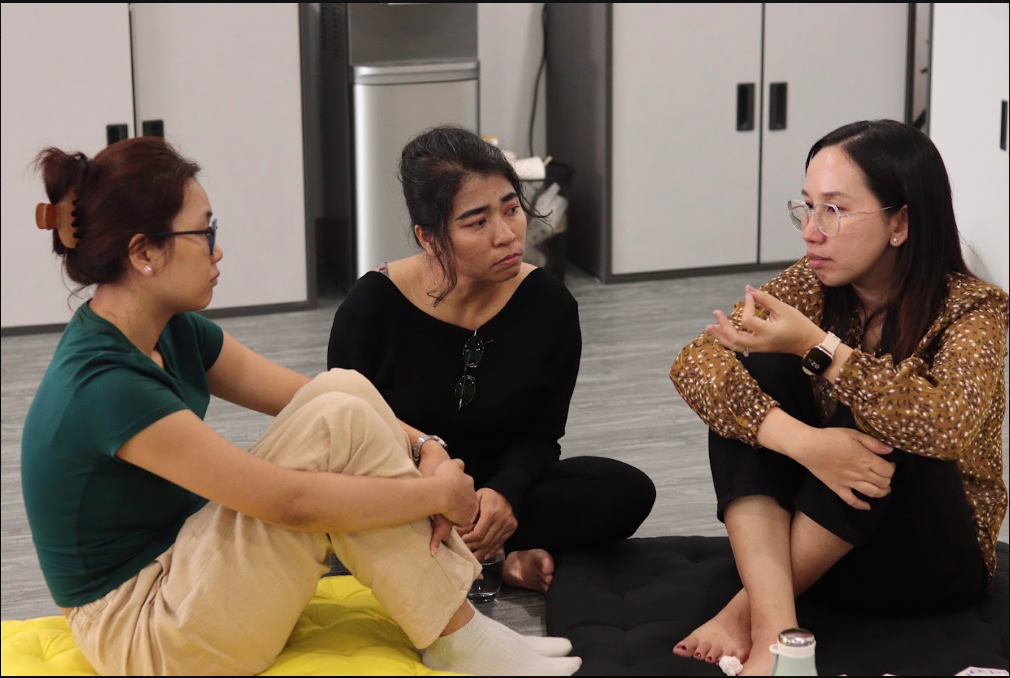
    Women talked about their experiences as girls, as women, as leaders and as junior staff. Some shared things that were difficult. Others listened.

    There was very little judgement.

    What struck me was how people seemed to value one another not by their title or position, but by how far they had come.

    For a few hours, nobody needed to prove that they deserved to be there.

    We were simply women trying to understand ourselves and our lives a little better.
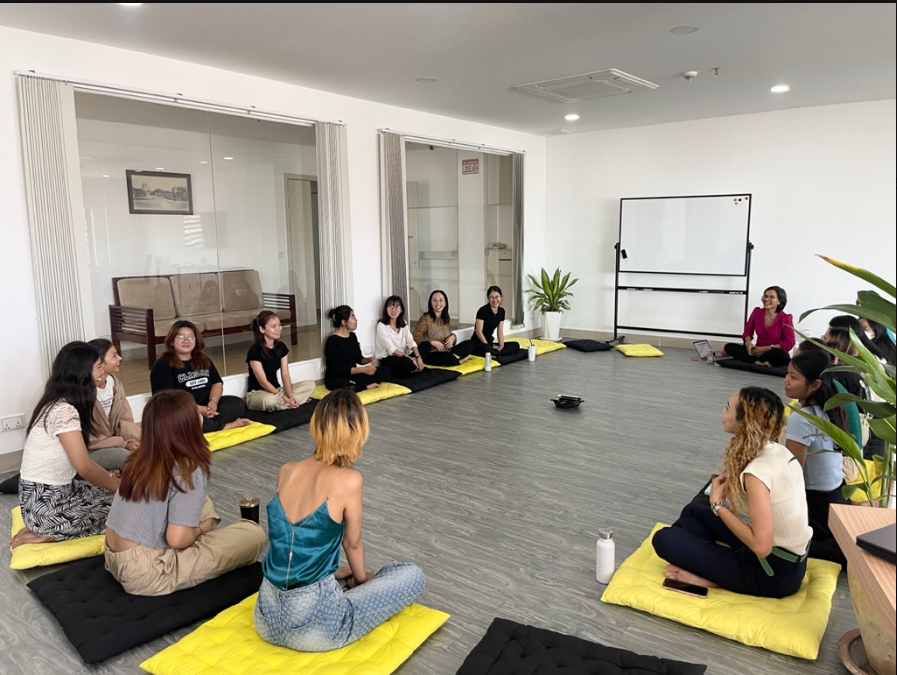
    I think that was one of the first times I consciously noticed how much the design of a space affects what people are willing to bring into it.

    People can know a lot and still remain quiet.

    They can have good ideas and still hesitate to share them.

    They can be capable of leading and still wonder whether they are good enough.

    Sometimes what changes that is not another lesson.

    Sometimes it is the room.

    And eventually, that room became a place where we had to build something together.

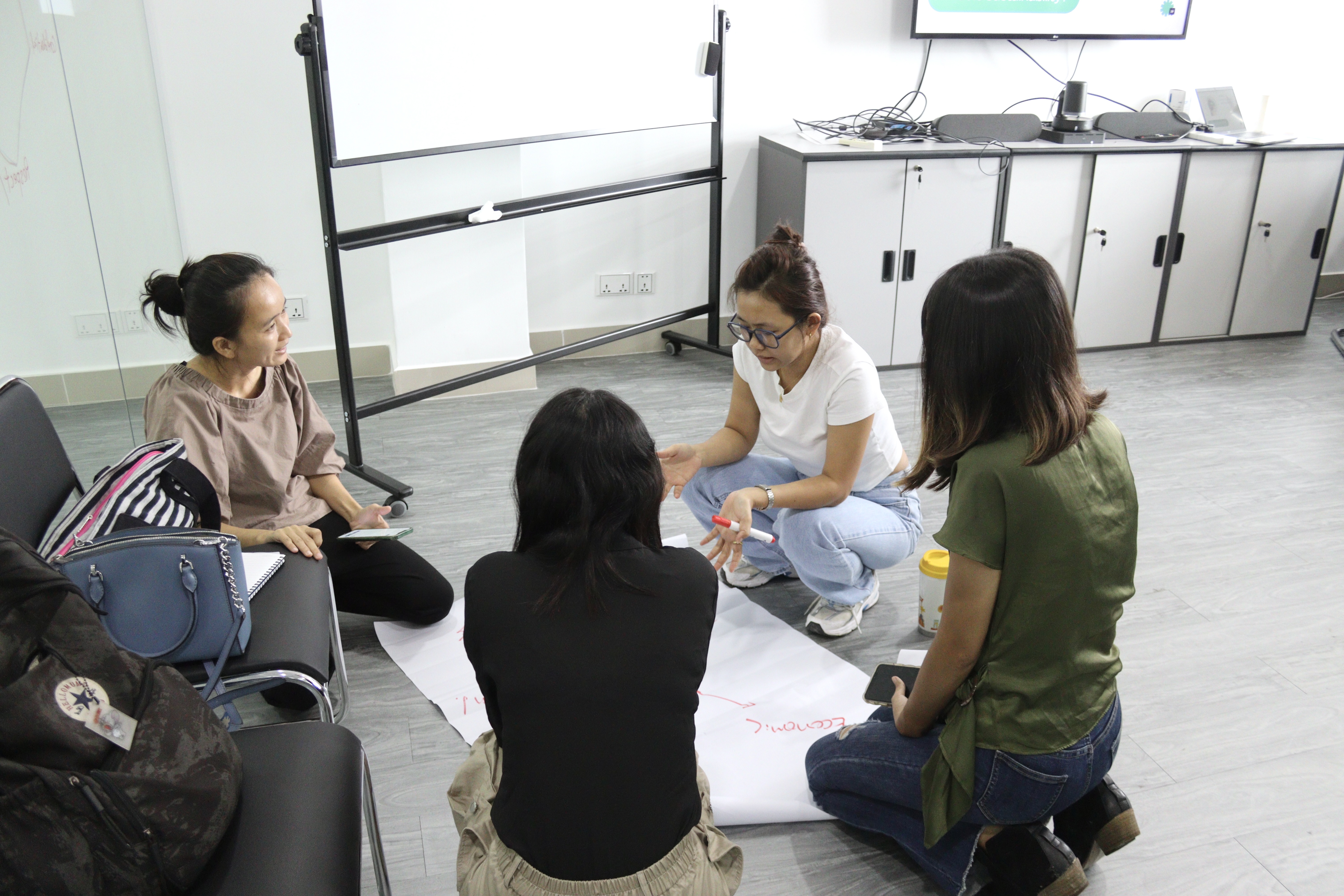
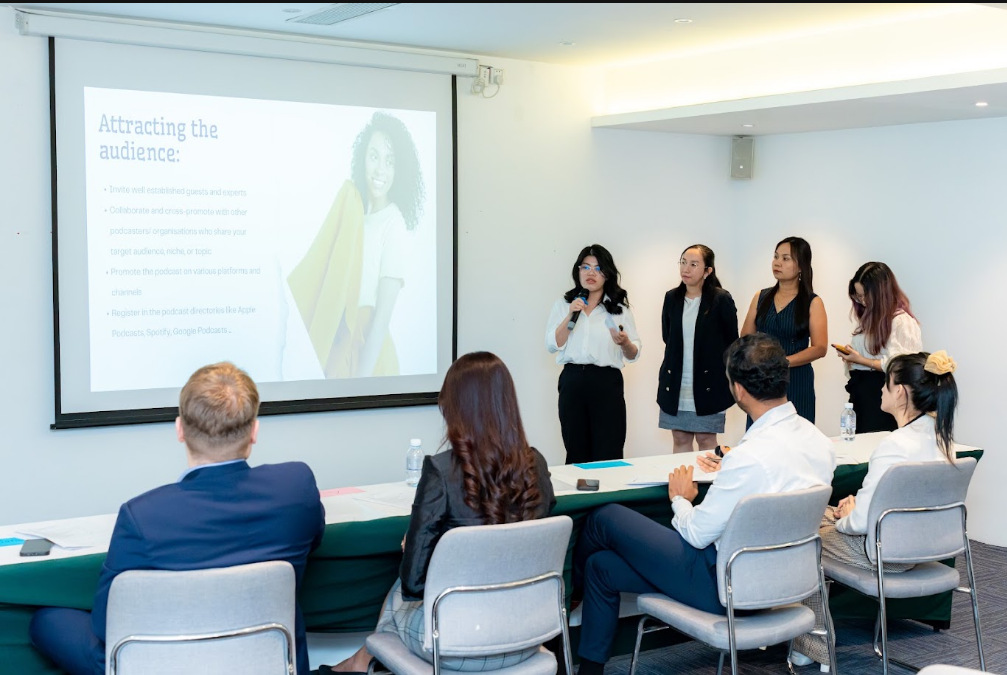
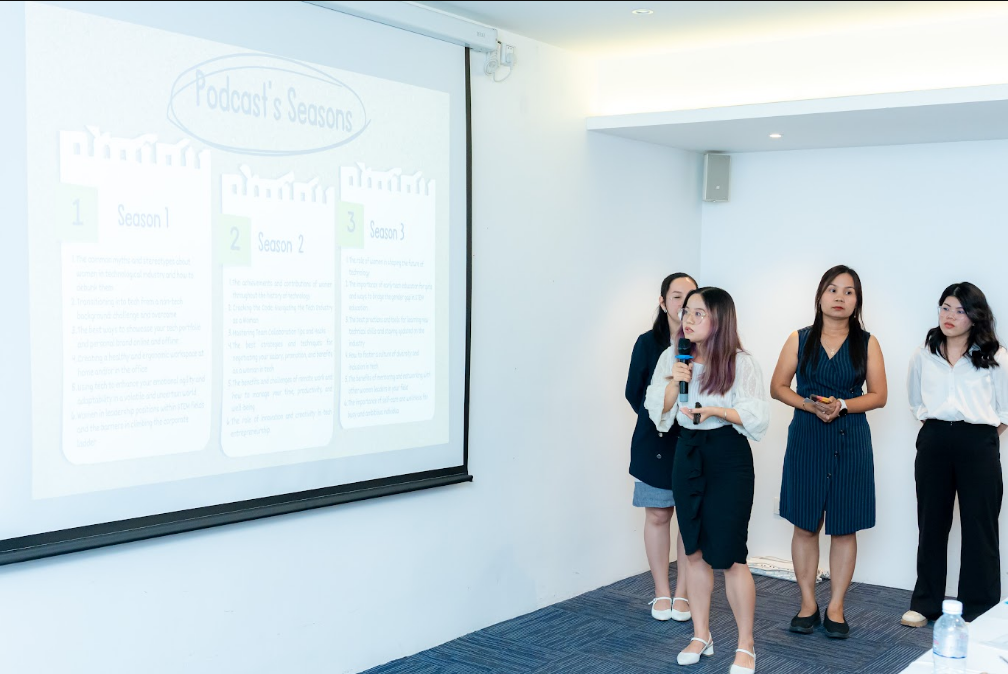
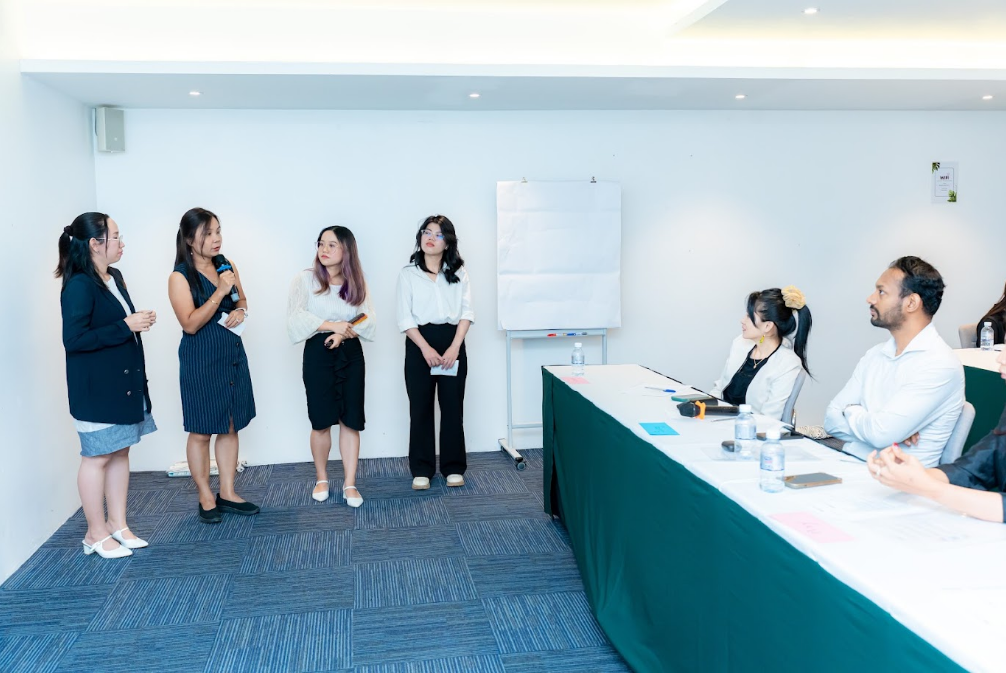
    Later in the programme, we were divided into groups and asked to develop a project.

    Our team brought together women from different sectors and different stages of life. We had our jobs, responsibilities and busy schedules outside the programme, but somehow we found a way to work together.

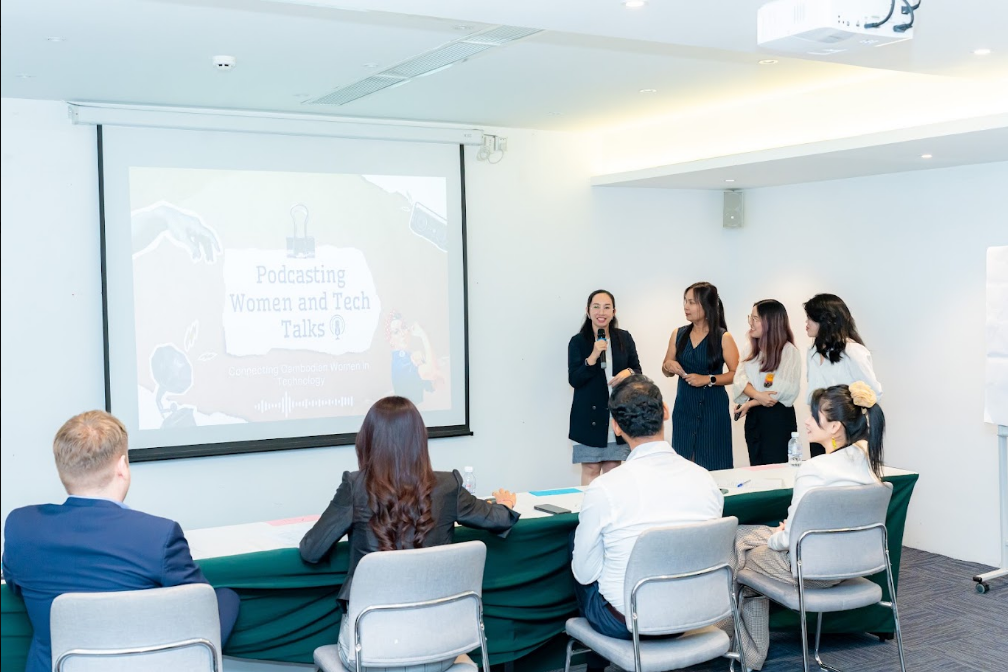
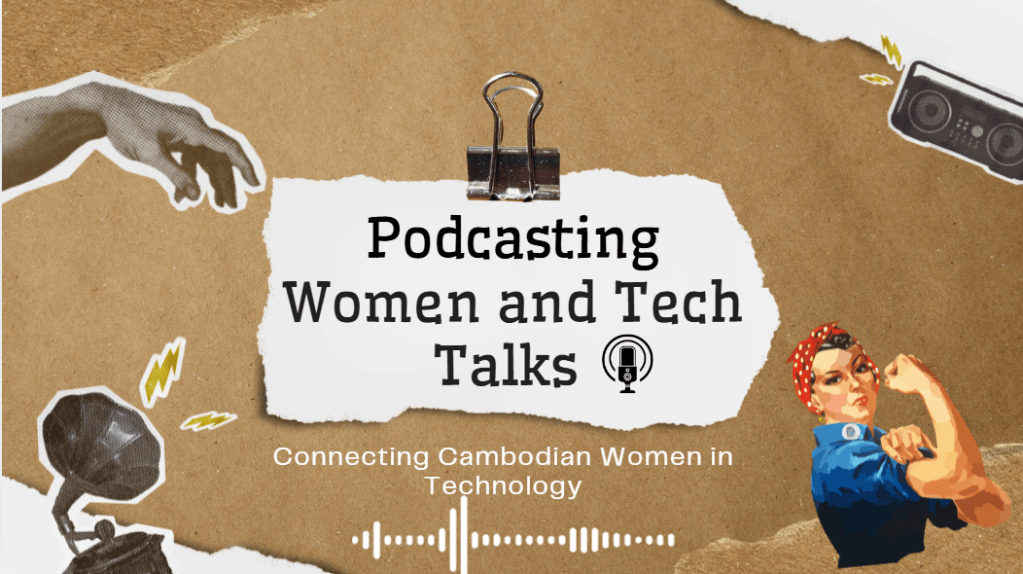
    We came up with an idea for Women and Tech Talks, a podcast concept to connect Cambodian women in technology and create more opportunities for professional women and younger girls to learn from one another.

    We worked through the details together: the purpose, format, language, platforms and how the idea could continue beyond the programme.

    We didn’t begin the project thinking about awards.

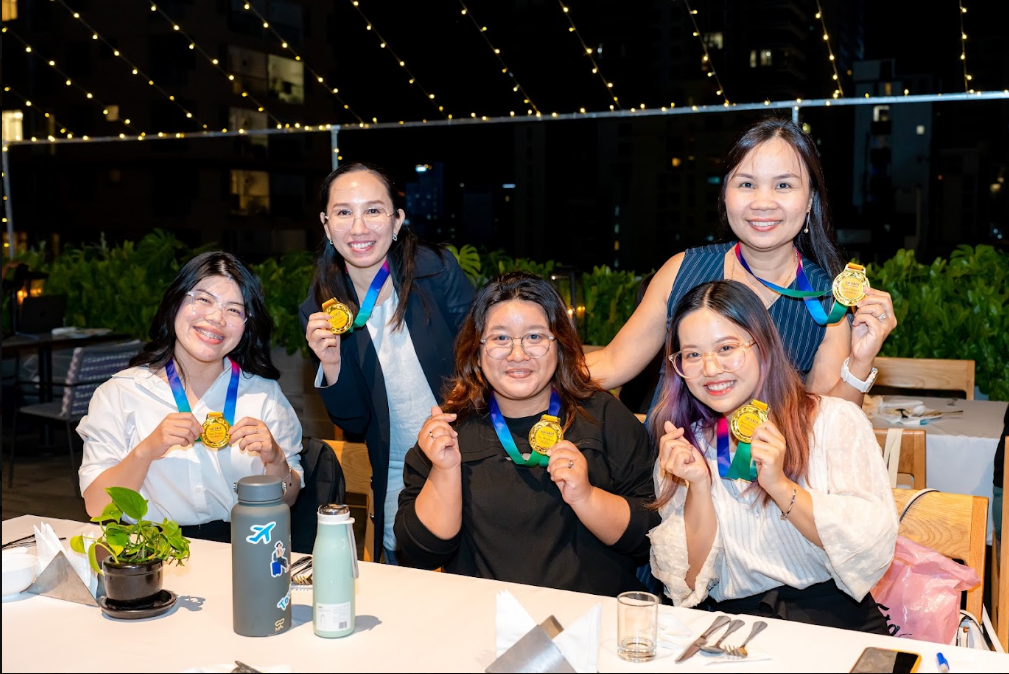
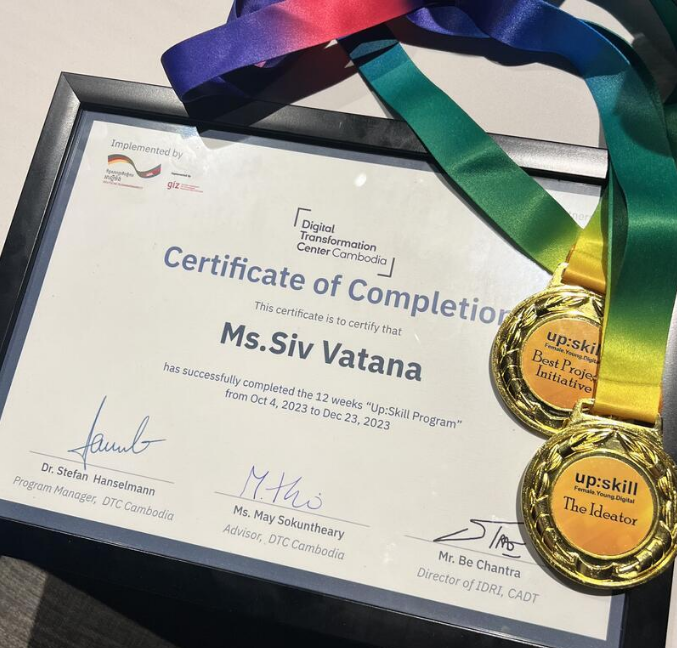
    But when the results were announced, our team received the Best Project Initiative award.
    I was happy, of course.

    But another moment surprised me even more.

    Someone noticed me

    I was nominated for the Ideator Award, recognising participants who actively shared and expressed ideas during the programme.

    I hadn’t expected it.

    In my working life, I tend to pay more attention to the work itself—to the team, the project, the problem we are trying to solve, and what could be improved.

    I don’t usually enter a room thinking about whether someone will notice me.

    So being nominated made me pause.
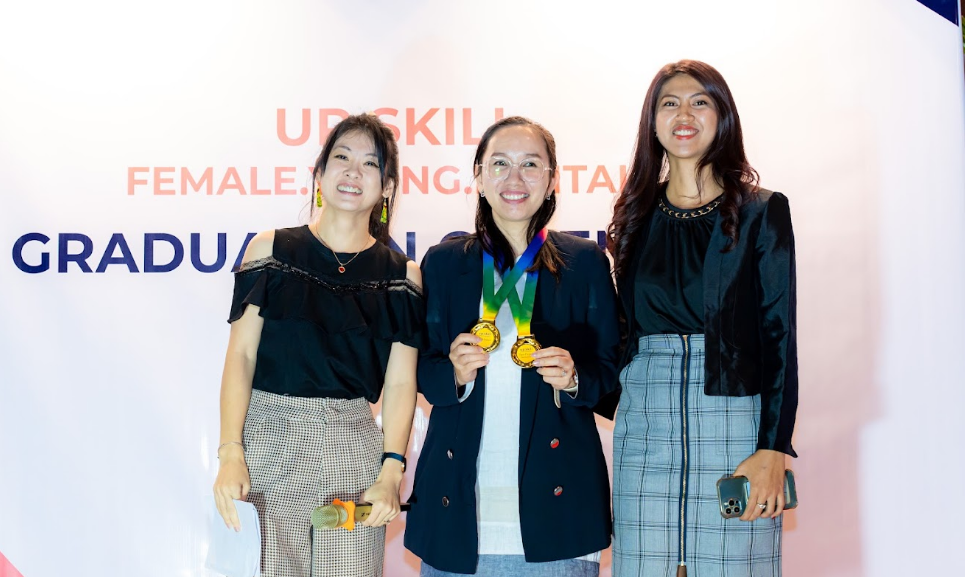
    It made me wonder what other people had seen in me that I hadn’t noticed in myself.

    At that point in my life, I was carrying many different roles.

    I was a team leader. A project manager. A wife. A mother.

    There were always things to deliver and people to think about.

    From the outside, I probably looked like I was simply getting on with things.

    But being recognised reminded me that the things we quietly do—sharing an idea, helping a team move forward, making a connection, speaking up when something matters—can also be visible to someone else.

    Sometimes we don’t realise we are being seen.

    I left with more than I came for

    Looking back, I still remember the CSR session that first brought me into Up:skill.

    It gave me a perspective I was looking for.

    But it wasn’t the most important thing I took away.

    I also left with memories of women speaking honestly, working together and encouraging one another – and with a little more belief in myself.

    I joined because I wanted to learn something.

    Somewhere along the way, I found a community.

    At the time, I thought that might be where the story ended.

    It wasn’t.
  • A Small Joy I Still Carry

    A Small Joy I Still Carry

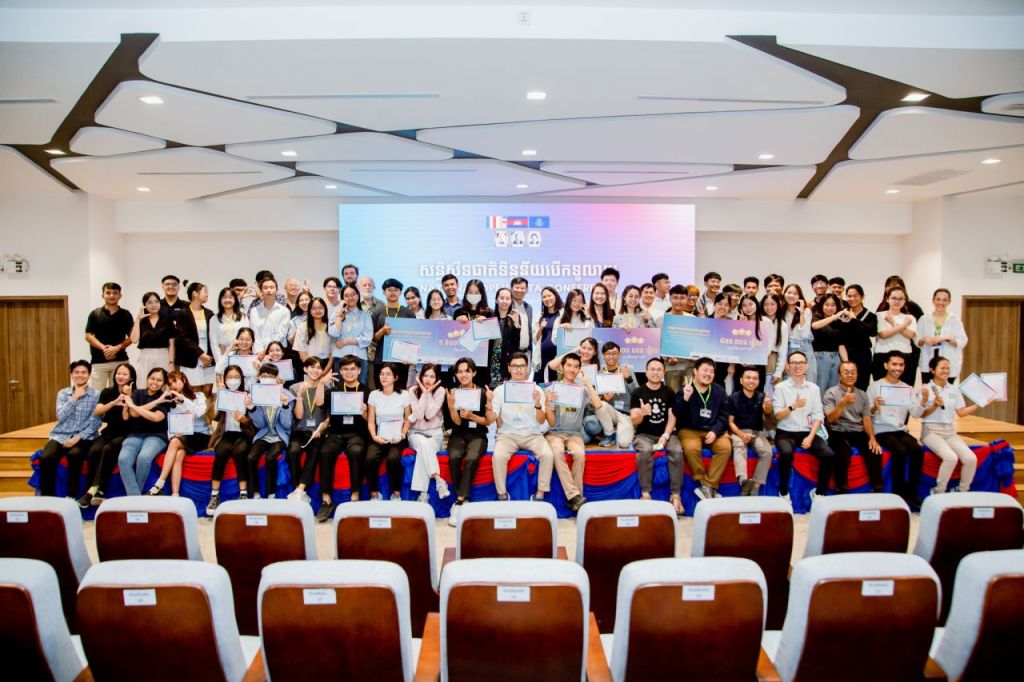
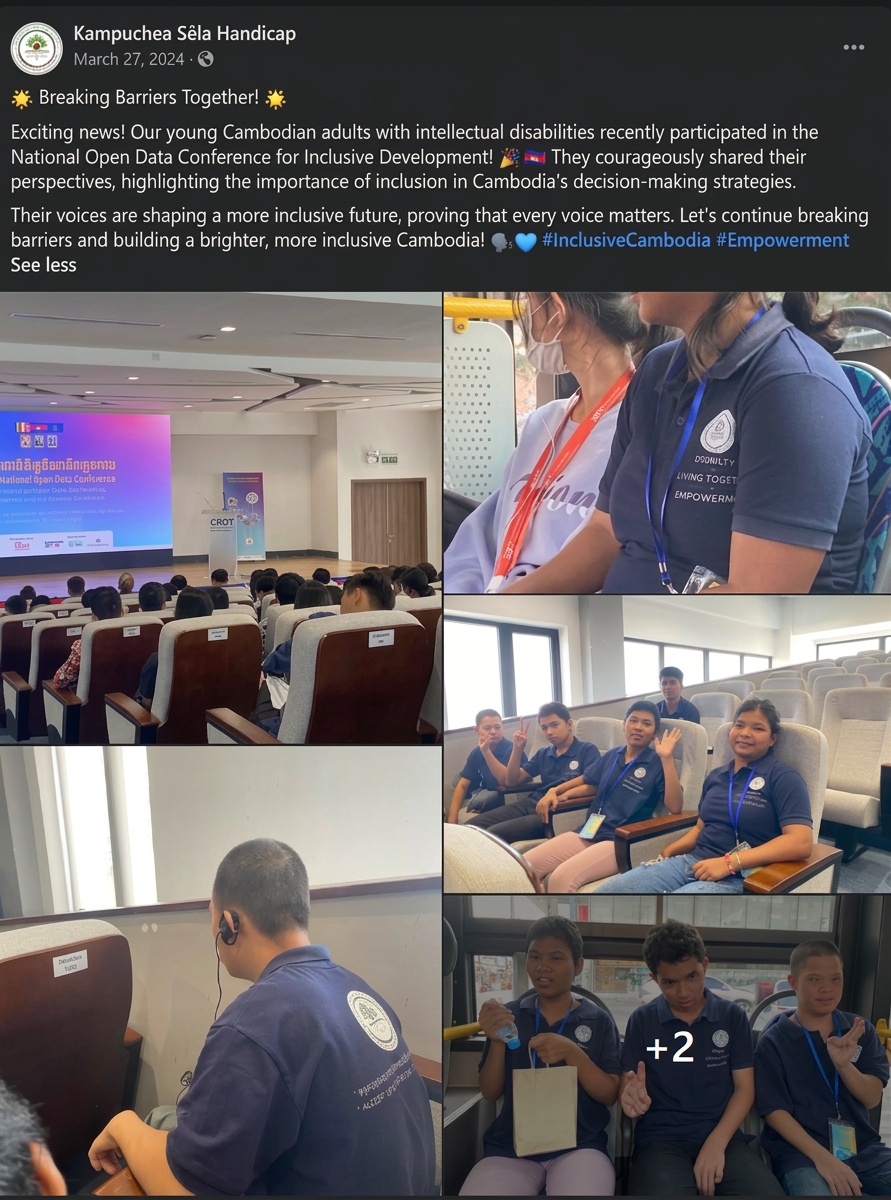
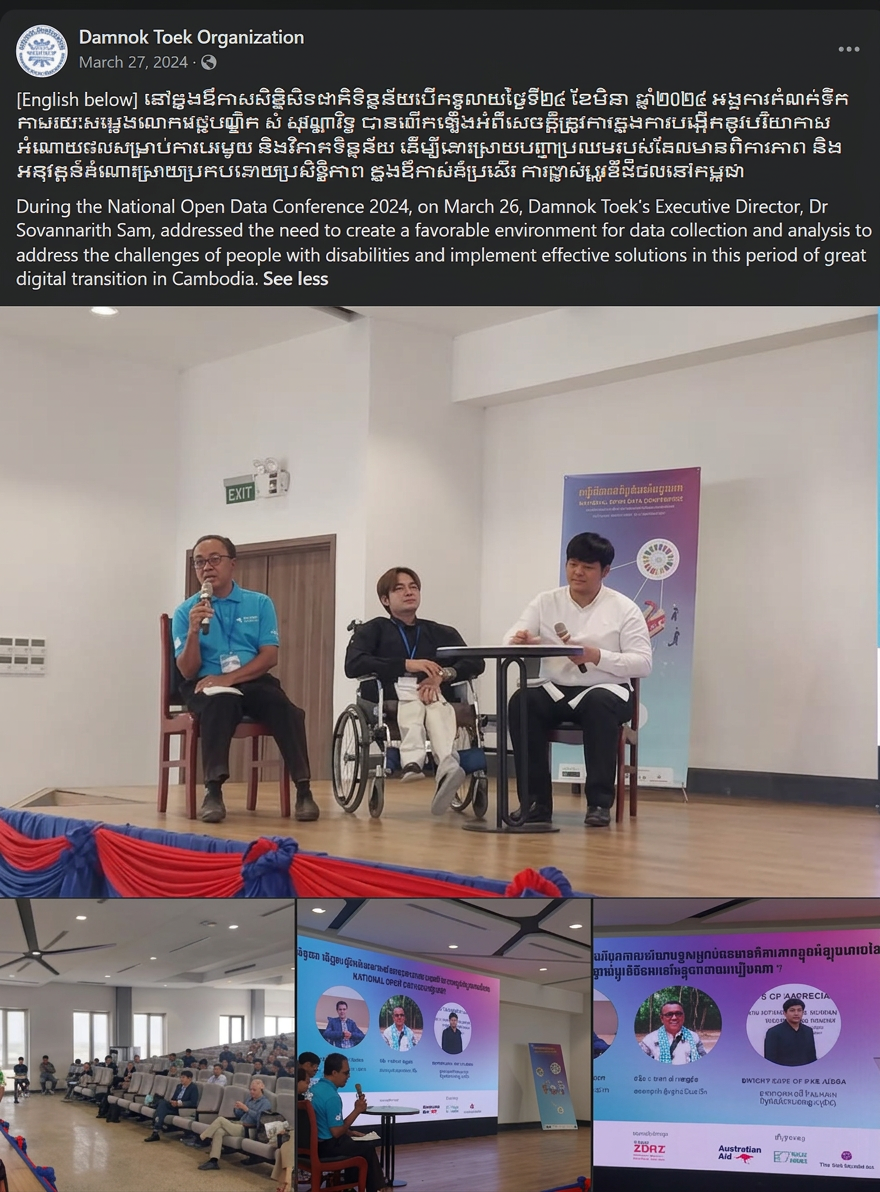
    While going back through old notes and photos to write these stories, I came across two Facebook posts I’d never properly sat with before—both from a week in March 2024, when we hosted Cambodia’s National Open Data Conference.

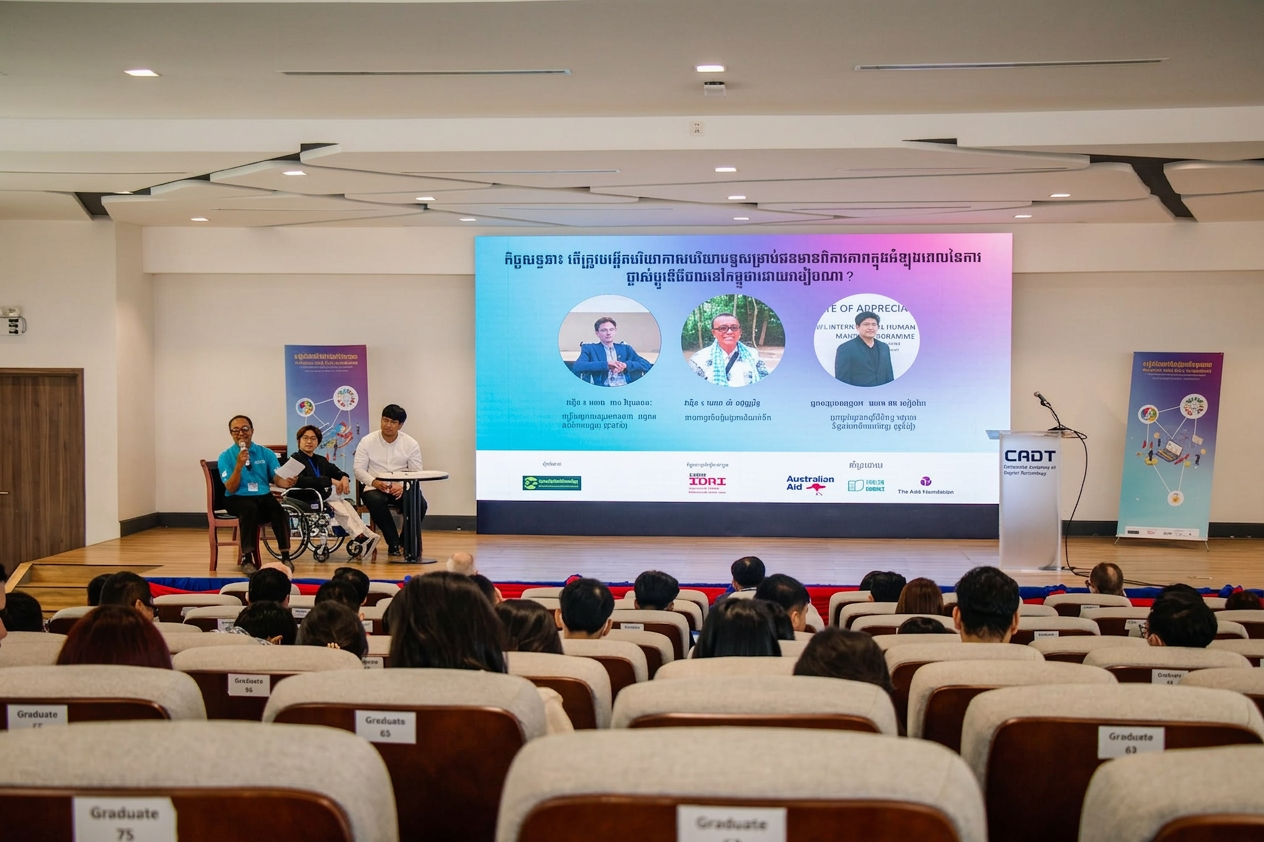
    One was from Kampuchea Sëla Handicap, showing young Cambodian adults with intellectual disabilities, their name tags still slightly crooked, having just spent two days in a room usually reserved for ministries, development organisations, and data professionals. The other was from Damnok Toek, whose director had joined one of our panels and spoken plainly about the need for Cambodia’s digital future to include people like the communities they represent.

    Reading those posts again, years later, settled into something quiet and warm. They were a small reminder that the care we had put into that week had reached people in a way that no report, agenda item, or project indicator could really capture.

    What I heard as a mother

    During the hackathon’s call for solutions on the first day, and again two days later during the disability panel, I found myself listening closely to struggles I’d rarely heard spoken about so plainly before.

    I’m a mother of two, and something about hearing how children with disabilities can sometimes be left at hospitals or care centres—without parents or relatives able to care for them, leaving organisations already stretched thin on funding to carry the full weight of their care—affected me deeply.

    What stayed with me was not only the difficulty of their circumstances, but also how limited their access to technology and opportunities could be.

    We were gathered in a conference built around data, technology, and digital innovation. Yet some of the people who could benefit from that progress most were still struggling to have their voices heard.

    That made the idea of inclusion feel much more immediate to me.

    It was no longer just something I could write into a project plan or mention in a discussion about digital access. There were actual people sitting in the room, telling us what those barriers looked like from where they stood.

    A booth of their own

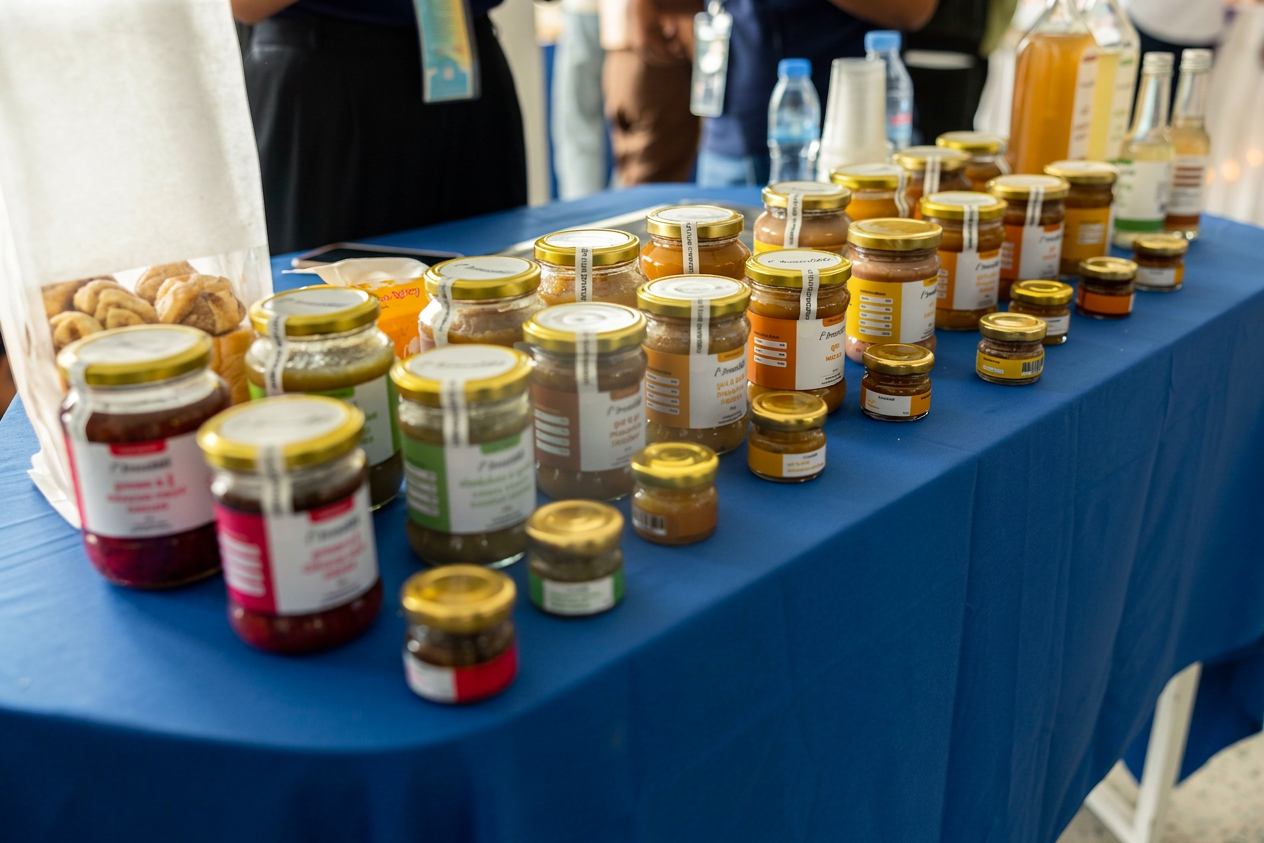
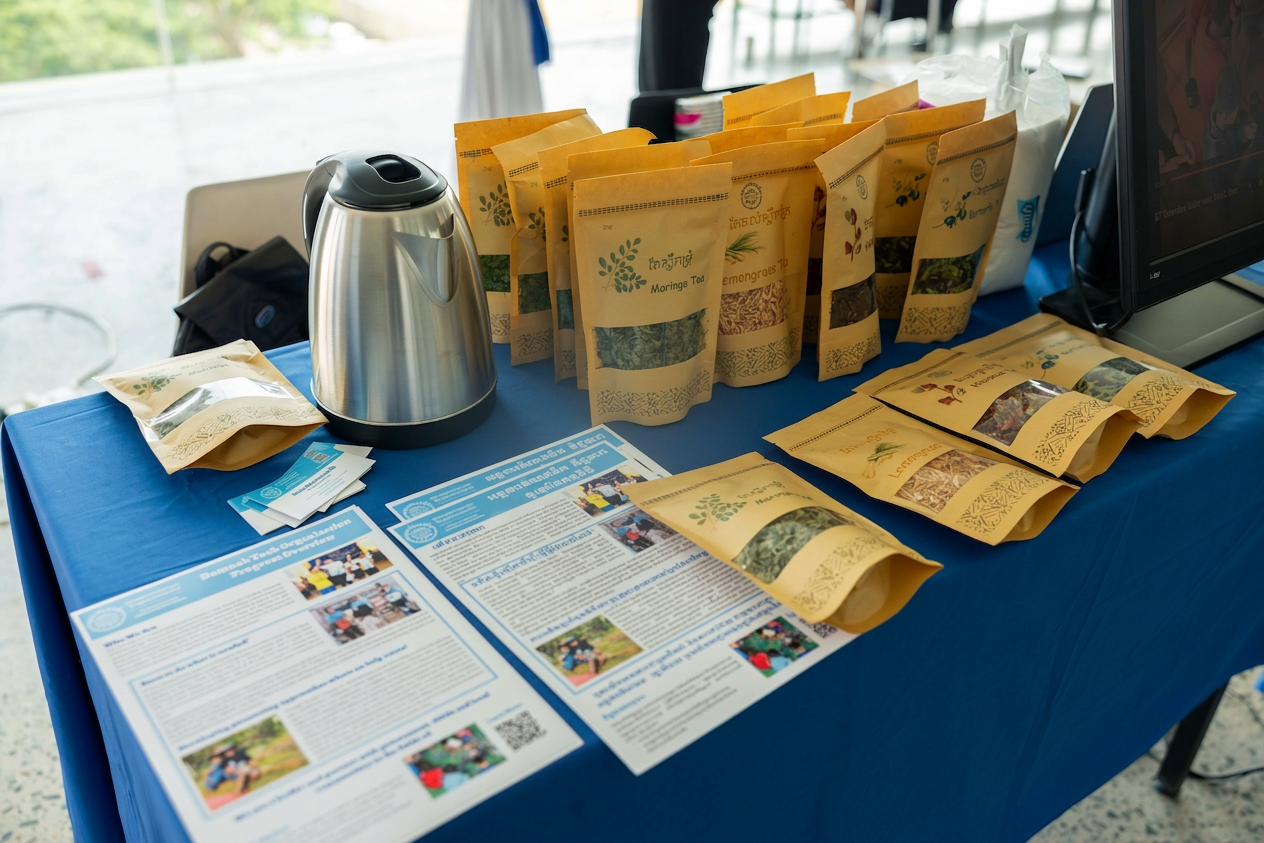
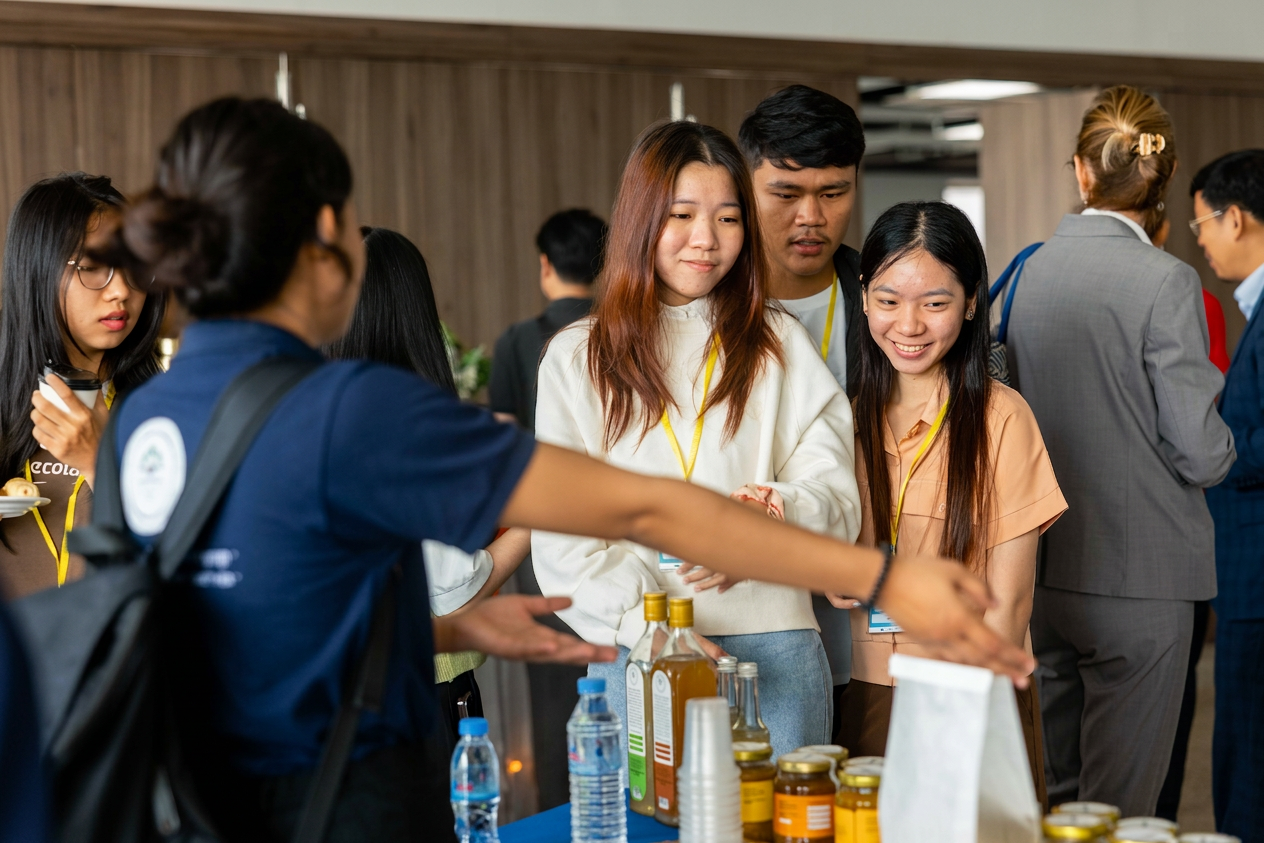
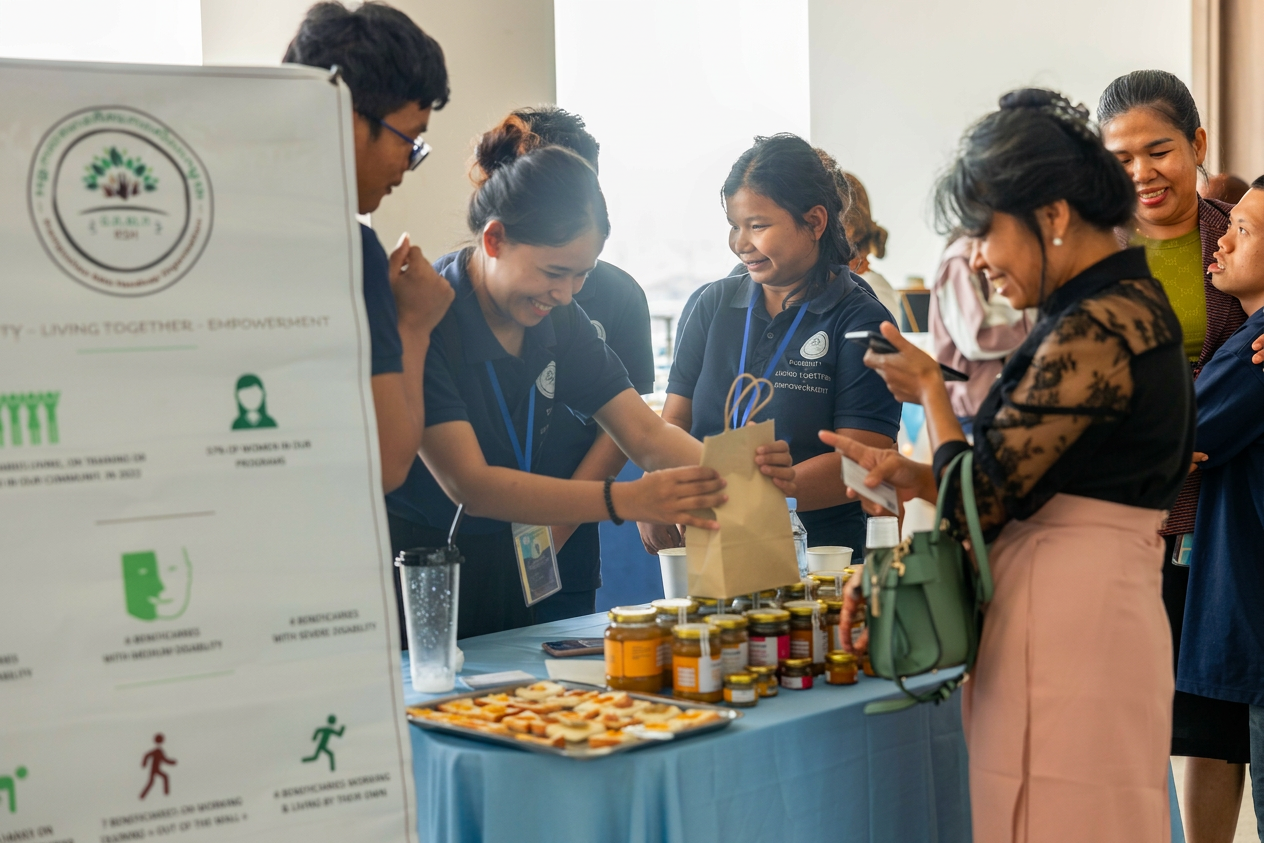
    That’s part of why, when Kampuchea Sëla Handicap and Damnok Toek Organisation joined the conference, I made sure they had a booth of their own—a small table where they could display fruit jam made at their centre, right alongside the panels, demonstrations, and data dashboards.

    It was a small decision, but it mattered.

    They were delighted simply to be there as participants, with something of their own to share. They weren’t there only as people being discussed in a disability-focused session; they were present as contributors, alongside everyone else.

    For those two days, I think they felt genuinely welcomed, heard, and included.

    And perhaps that was the point.

    Sometimes inclusion is not a complicated intervention. Sometimes it starts with noticing who is in the room, asking what would make it easier for them to participate, and then making space.

    What their words told me

    That’s really why those two posts meant so much to me.

    What moved me most was hearing that, perhaps for the first time in that kind of setting, technology practitioners had taken the time to sit down, listen, and learn from them—rather than arriving with a ready-made solution without first asking what people actually needed.

    Their words carried something I hadn’t expected: hope for more events like this, but also a quiet insistence that people with disabilities—organisations, representatives, and individuals alike—deserve an equal seat at the tables where policy and technology are discussed and shaped, not only at events created specifically for them.

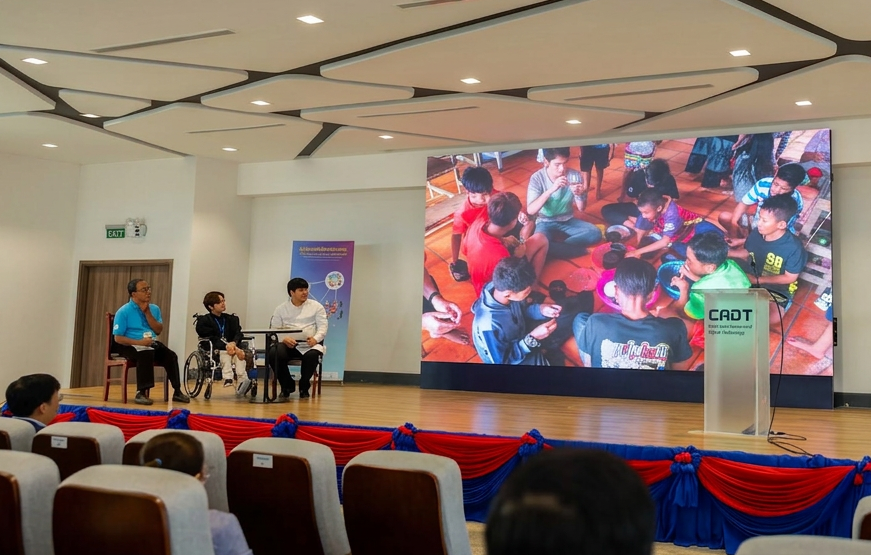
    Kampuchea Sëla Handicap and Damnok Toek joined young tech innovators at the Open Data Day 2024 hackathon on 2 March 2024, sharing real-life challenges faced by people with disabilities and inspiring inclusive digital solutions.

    Looking back, that is probably the part of the conference I remember most clearly.

    It reminded me that inclusive development is not simply about inviting people into a project or adding an inclusion activity to a workplan. Sometimes it is about making space for people to participate, contribute, and be seen as part of the conversation from the beginning.

    And that’s really why I care so much about the work itself—the project, the plan, the people it’s meant to reach, and whether it actually makes a difference in their lives.

    Some things can matter enormously and still never show up in a workplan, a proposal, an annual report, or a performance review.

    But sometimes, years later, you come across a photograph or a few words from someone who was there—and you realise that the effort reached further than you knew.

    For me, that is what makes the work worth it.

    Want to explore the events further?

    If you’re curious about Open Data Day and Cambodia’s first National Open Data Conference in 2024, you can explore the event stories, videos, and outcomes report below:

    For more details, see the outcomes report.