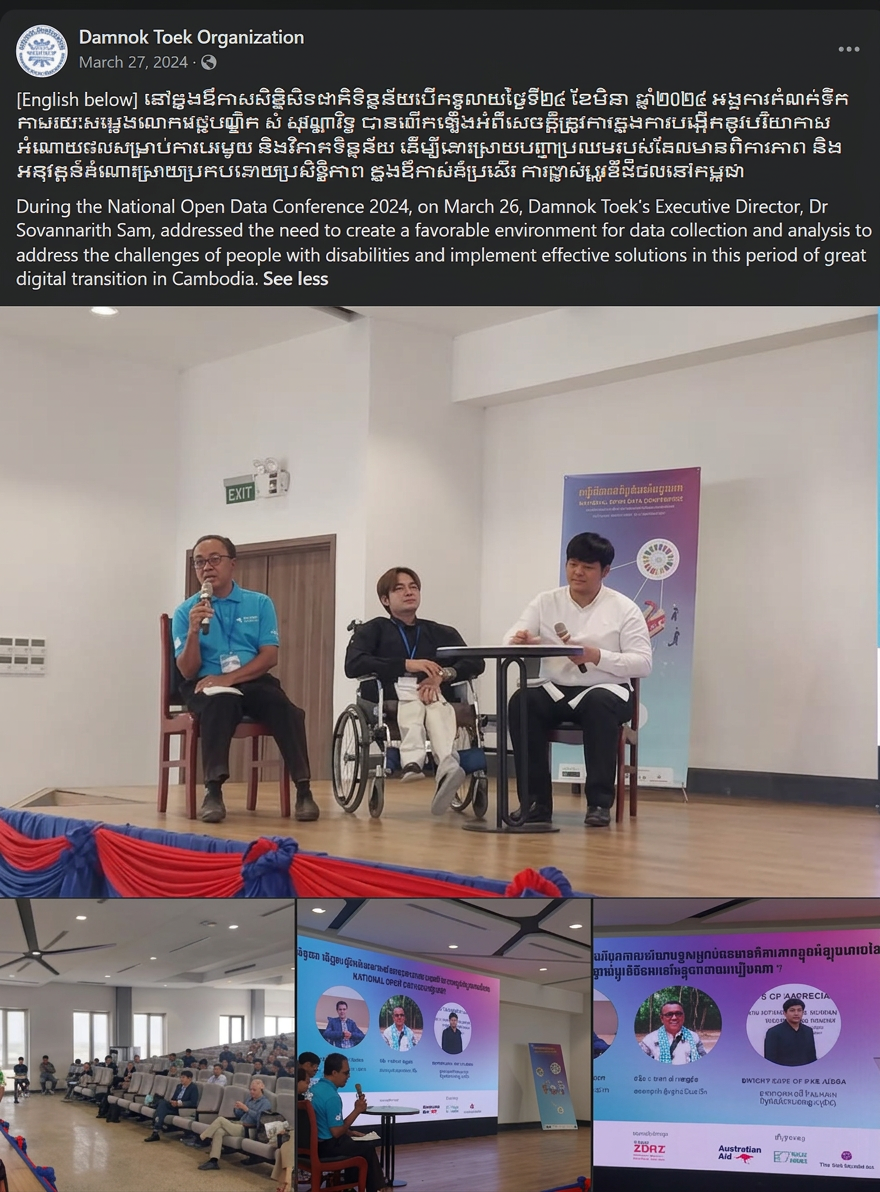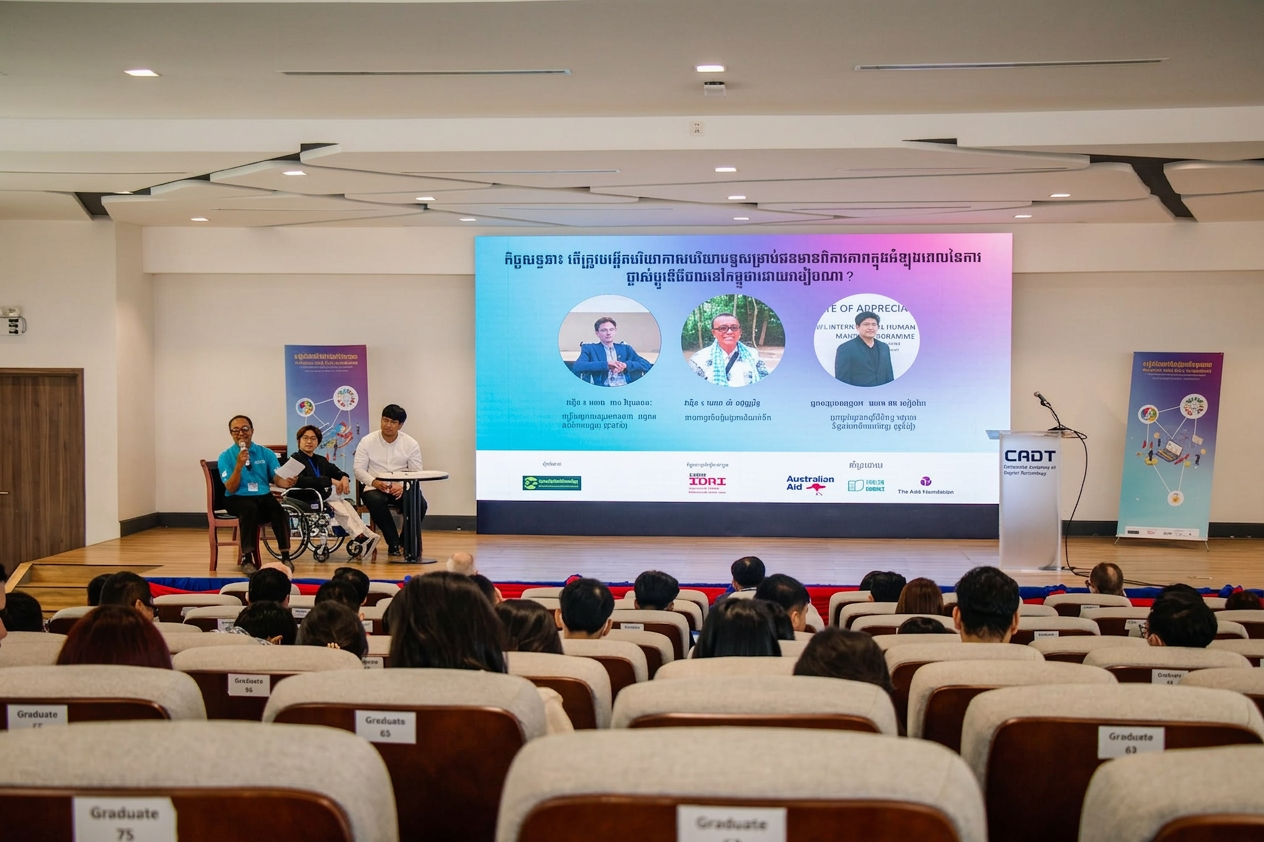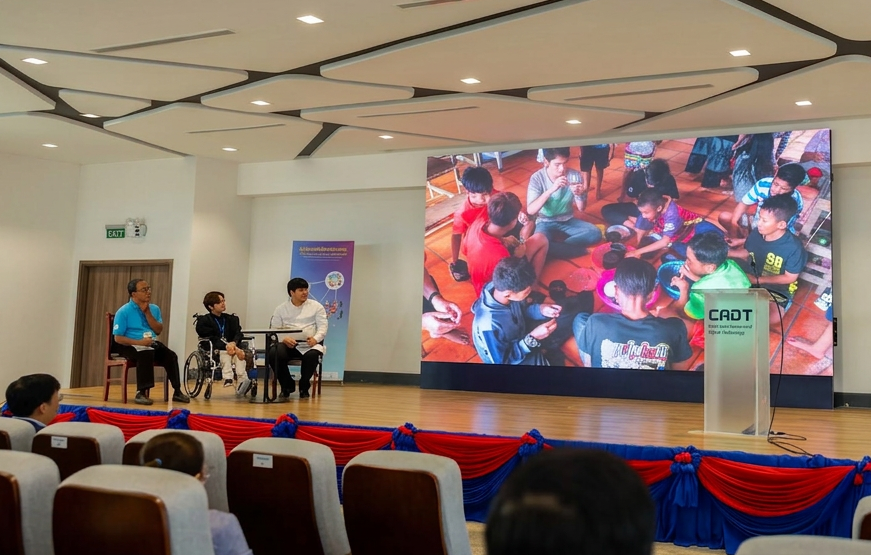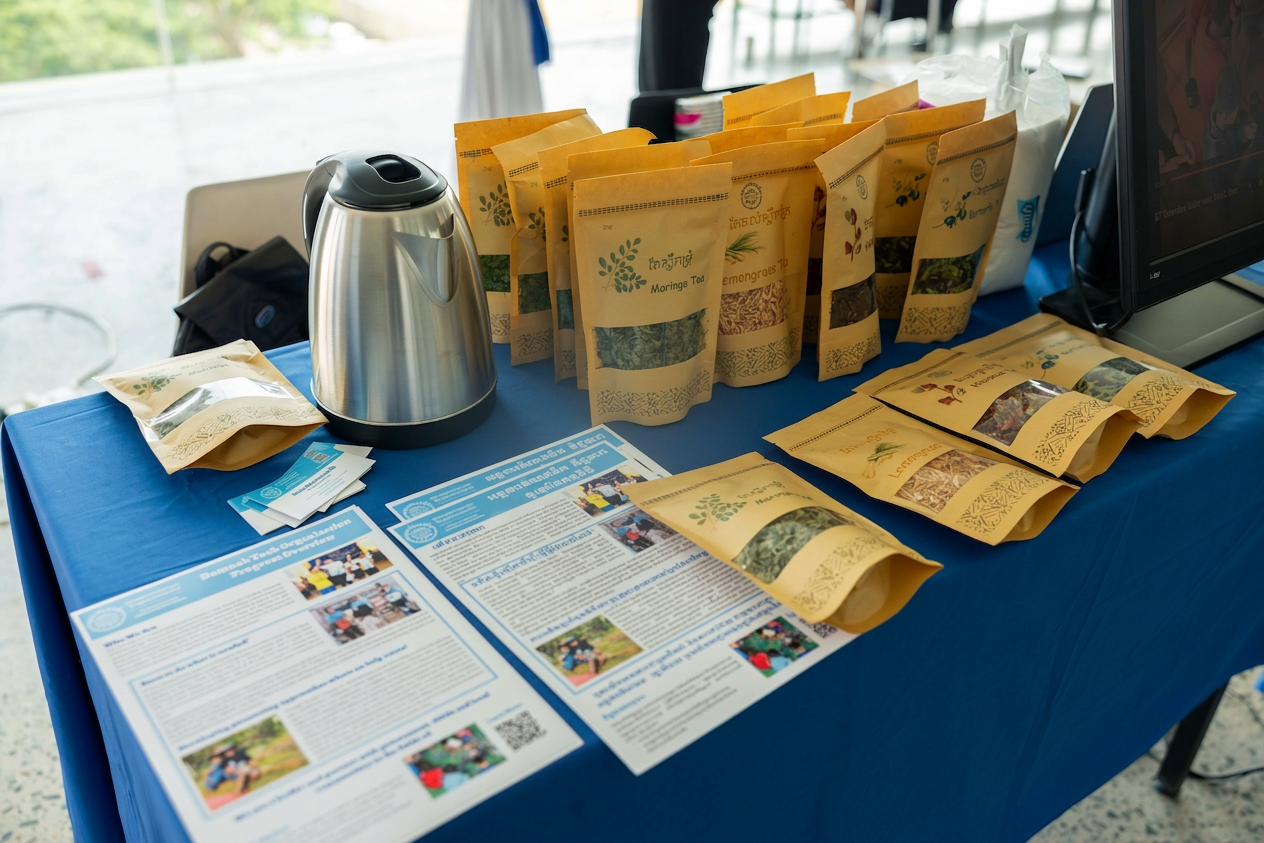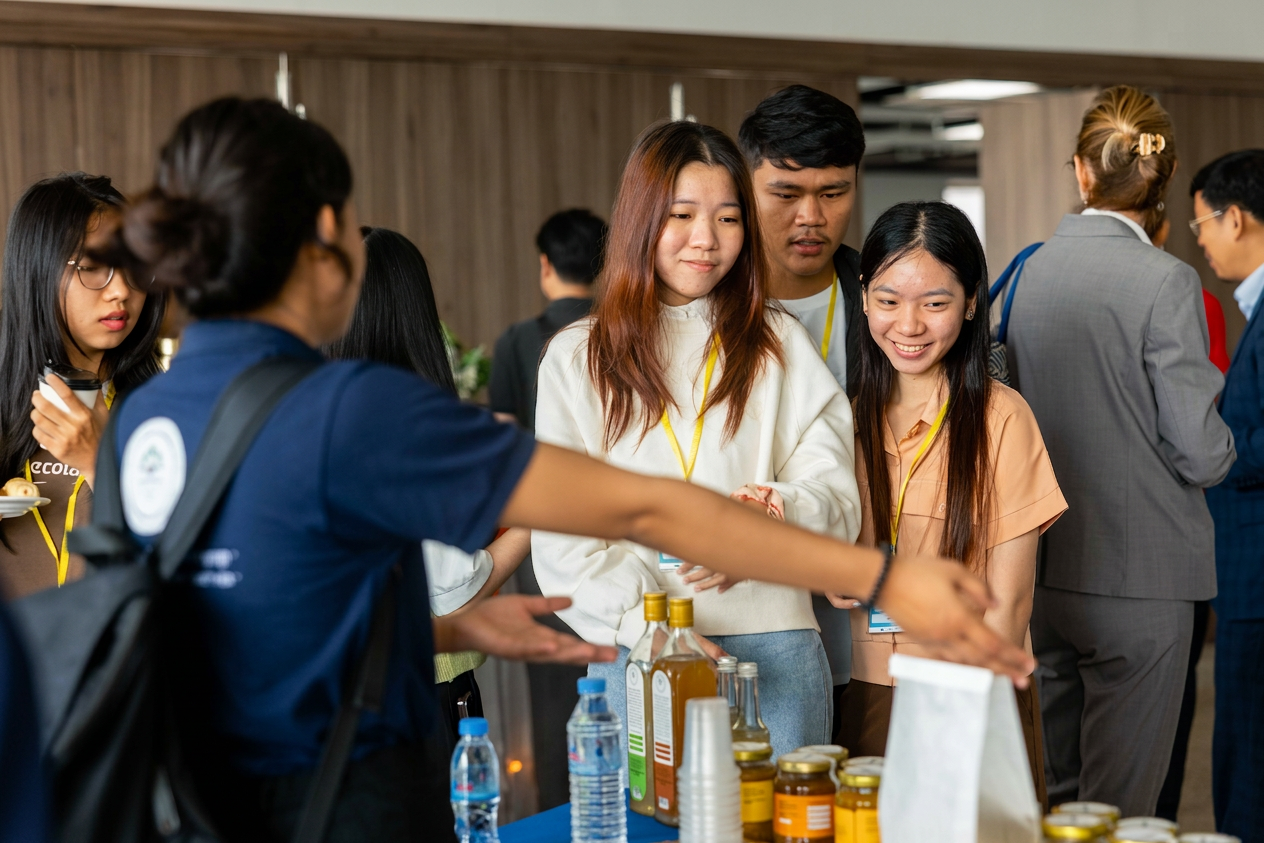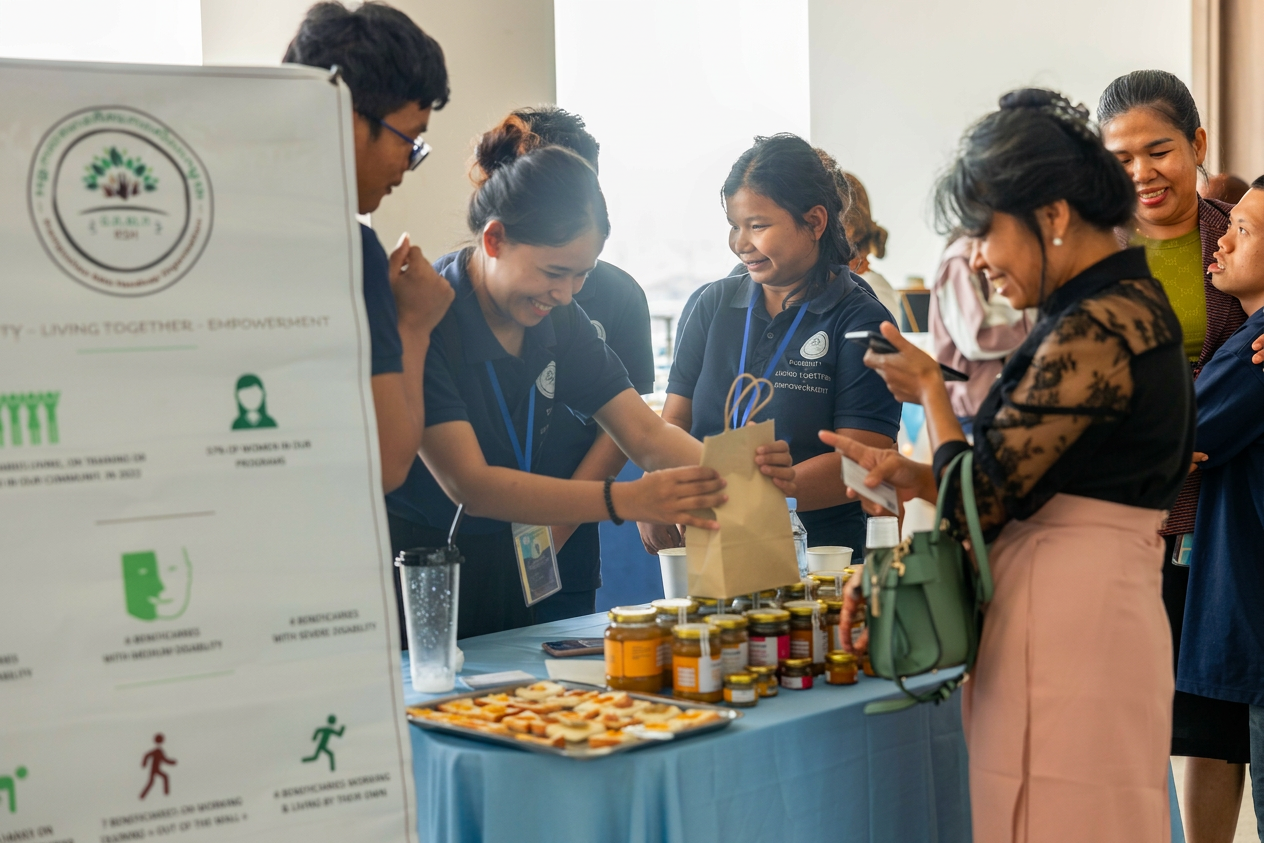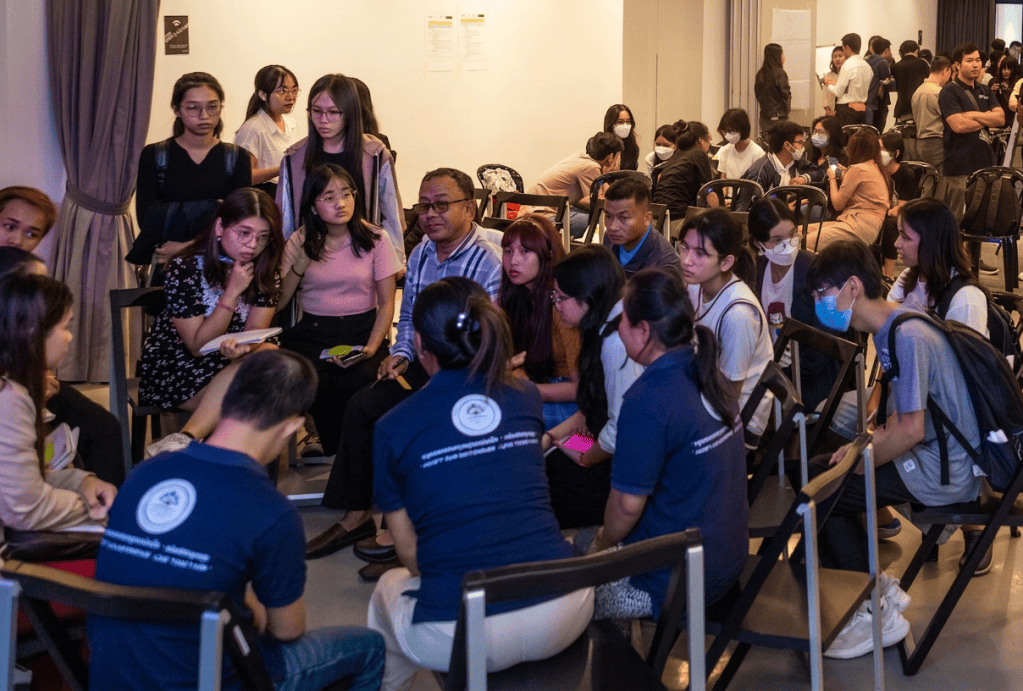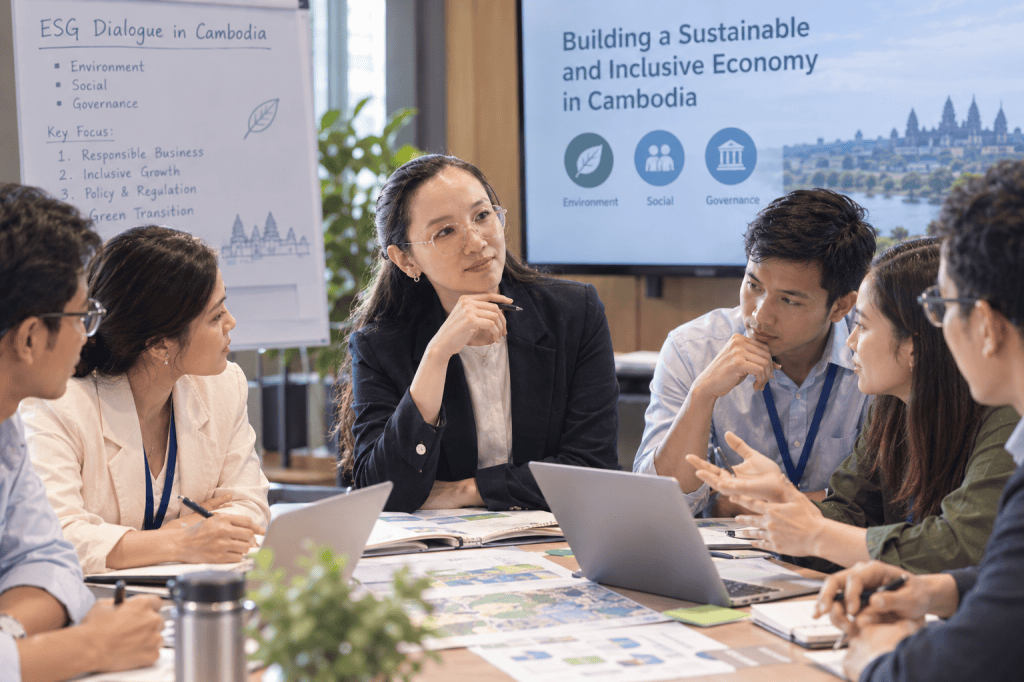
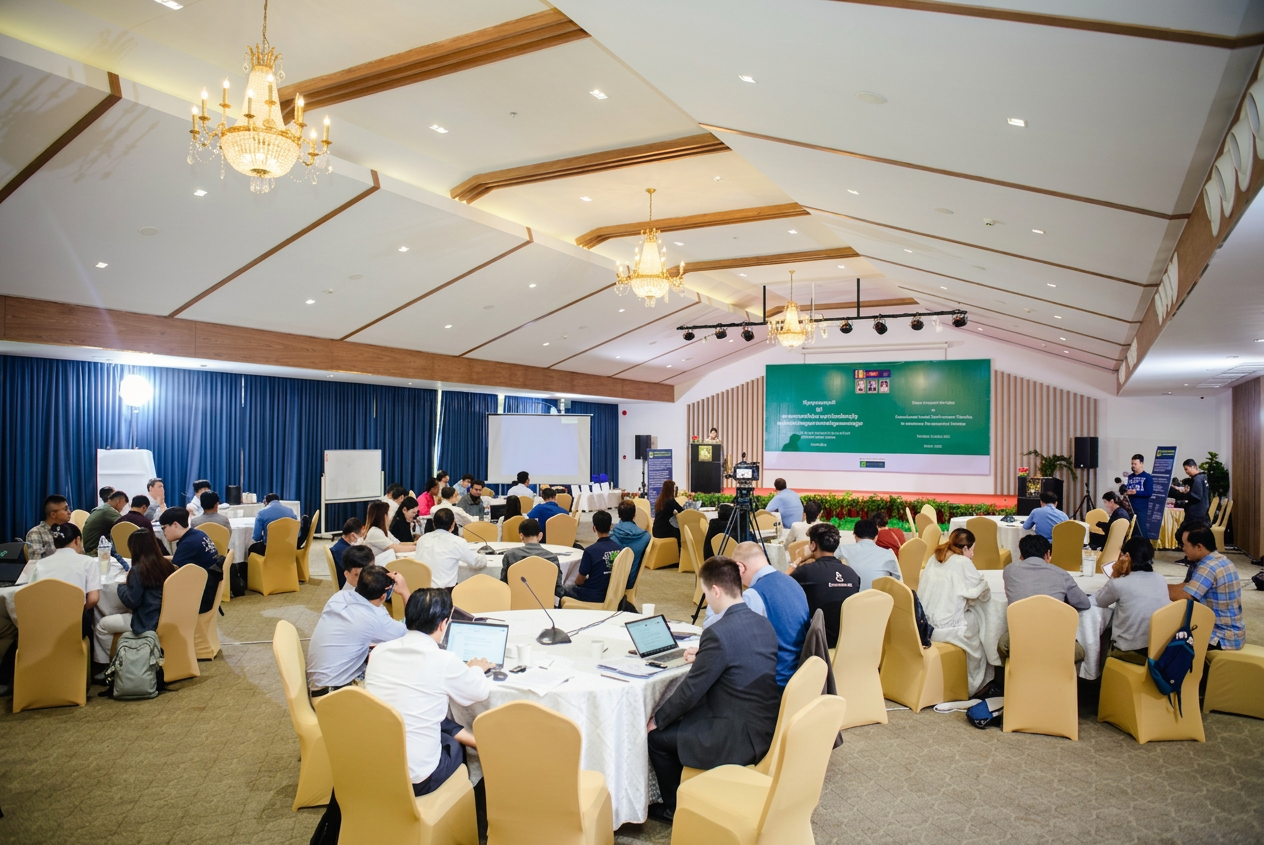
I still remember the sound of the room before I remember anything else — chairs being shifted into rows, someone testing a microphone twice, small conversations overlapping in Khmer and English near the coffee table.
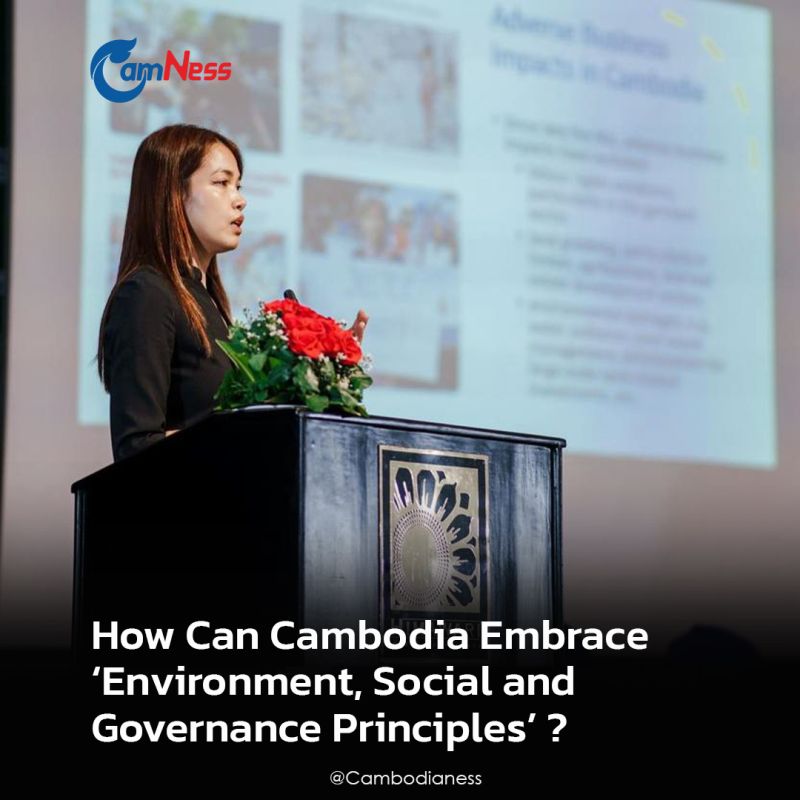
It was the morning of 8 August 2024, at the Himawari Hotel in Phnom Penh, not yet 8:30.
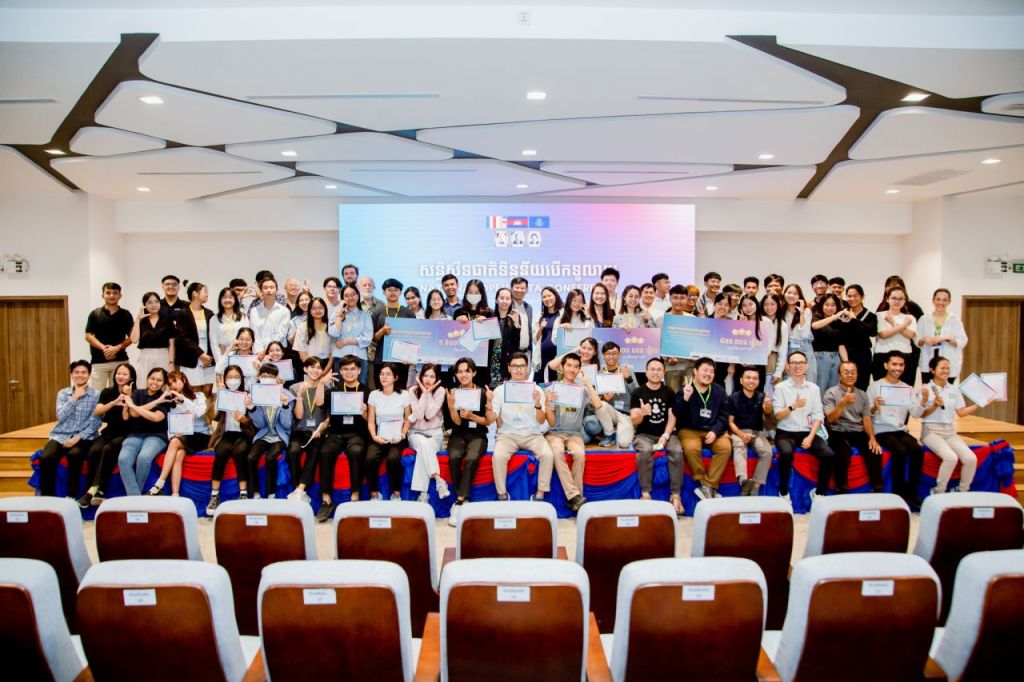
By the end of the day, 75 people would have taken part of the conversation — business representatives, university students, researchers, civil society program managers, and people from the public who simply wanted to understand what “ESG” actually meant.
Nobody in that room fully agreed on what ESG should look like in Cambodia.
That was, in a quiet way, the whole point of the day.
You can read what happened once the day began — the agenda, the two panels, and what the speakers discussed — in the two event write-ups:
- ODC initiated the first multi-stakeholder dialogue on ESG in Cambodia — the full run of the day, session by session.
- Experts shared diverse perspectives and insights on ESG evolving in Cambodia — a deeper look at what the speakers argued, agreed on, and disagreed on.
What neither post tells you is what it took to get that room to exist in the first place.
This is that story.
It didn’t start with a concept note
It started years earlier, during the COVID-19 lockdowns, in front of a spreadsheet.
My team and I were working on a foreign-investment project, building a reliable dataset on foreign investment in Cambodia, field by field, company by company. It was slow, careful work — the kind that happens over months and years rather than in a single visible moment.
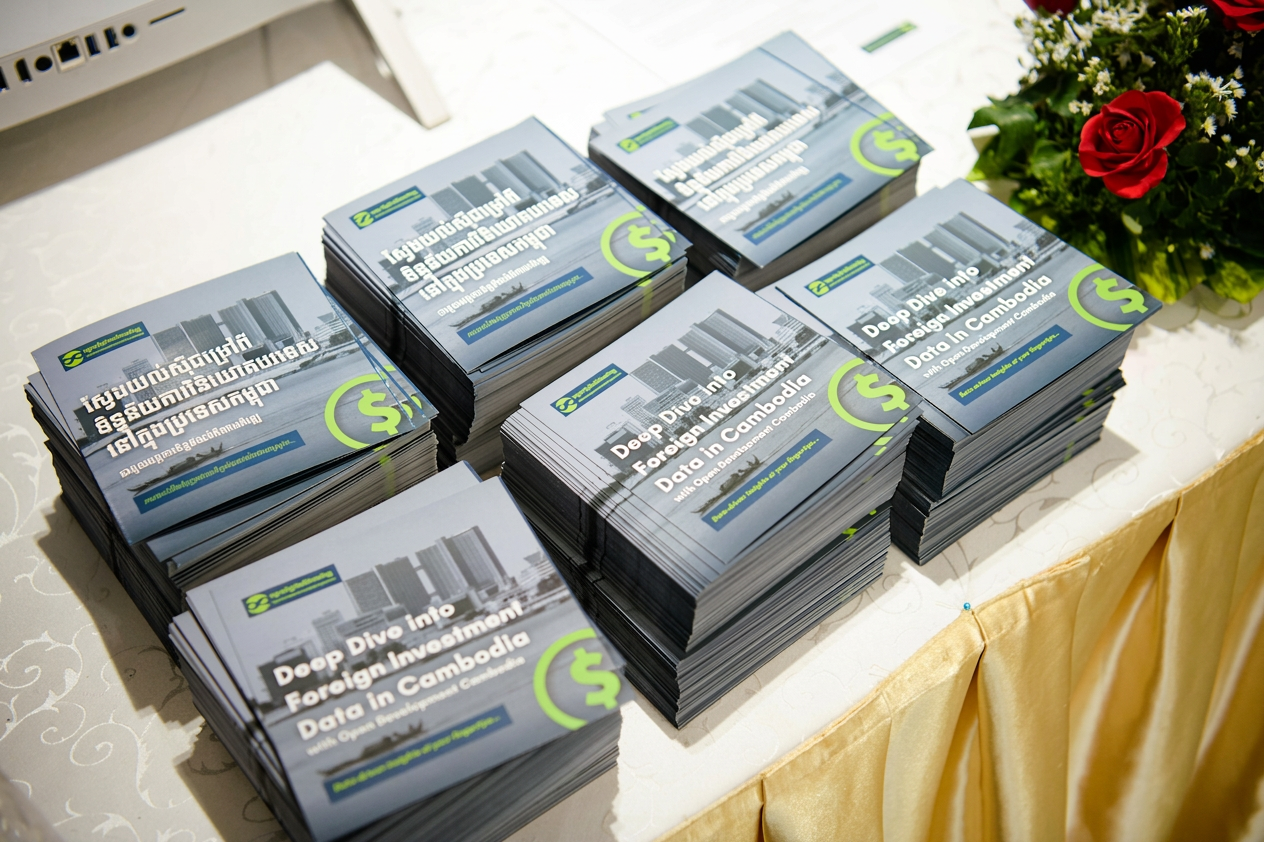
That work eventually grew into an interactive dashboard, built as part of the same project, well before the dialogue was ever conceived.
At first, the dashboard seemed like the natural endpoint: organise the information, make it accessible, and help people understand where foreign investment was going.
But the more we worked with the data, the more I realised that knowing where investment was going was only one part of the picture.
Cambodia was actively positioning itself to attract and promote investment. The 2021 Law on Investment established an open, transparent and predictable framework intended to attract both Cambodian and foreign investors, while also strengthening Cambodia’s links to regional and global supply chains.
That made me wonder about what happens beyond the investment figures.
Attracting investment is one part of the story. What happens after that investment arrives is another.
How do businesses operate? How do they manage environmental and social risks? How do they affect workers and communities? And as Cambodian businesses become increasingly connected to regional and global supply chains, how do they respond to the environmental, social and human-rights expectations that come with those markets?
The more we worked with foreign-investment data, the more I became interested in that second part of the story.
What does “responsible business” actually mean in Cambodia, and who gets to define it?
That question pulled us toward ESG.
Choosing ESG as an entry point
Much of the civil society space I knew was still working on the Environmental Impact Assessment (EIA) side of environmental accountability — and for good reason. Public access to EIA information remained a challenge.
But I had also sat across the table from enough business owners and investors to notice something about how conversations could begin.
When the starting point is violations, non-compliance, or what a company has done wrong, the conversation can quickly become defensive. That doesn’t mean the concerns are unimportant. It means the starting point itself can make it harder for people to stay engaged.
I began wondering whether EIA was the only way to enter a broader conversation about responsible business.
ESG offered a different entry point.
Businesses and investors were already talking about environmental and social issues through the language of risk, investment, market access and long-term growth. That created an opportunity to put environmental and social responsibility into the same conversation as business interests, rather than treating them as separate conversations happening on opposite sides of a table.
That distinction mattered to me.
So my team and I turned our attention there.
And almost immediately, we ran into a different obstacle.
Not resistance.
Noise.
ESG came wrapped in an ever-growing collection of standards, taxonomies, reporting requirements and disclosure frameworks. A government officer, a factory representative, a legal researcher, a civil society program manager and a university student could all use the word “ESG” while coming from completely different reference points.
Before asking people to agree, I thought, perhaps they first needed a chance to explain what they meant.
I didn’t believe the answer was to wait until everyone had the same definition.
I believed someone had to bring these people to the same table, on purpose, and let them define their terms out loud, in front of one another.
And perhaps data could help create that space — not because data is always neutral in how it is produced or interpreted, but because a well-grounded evidence base can give people something concrete to discuss without asking them to begin by taking a side.
The part nobody sees in an event write-up
What those two event posts don’t show is the six months before 8 August, spent largely outside the visible part of the project.
Writing the concept note was the easy part.
What followed was a lot of moving from meeting to meeting across Phnom Penh, trying to convince people who didn’t yet know our small project that this dialogue was worth their afternoon, their name, and, in some cases, their institution’s reputation.
I was asking business association representatives, civil society organizations, law firms, and research institutes to sit on the same stage and say what they actually thought, in front of one another and 75 people in the room.
Some conversations took one meeting.
Others took several, followed by calls, messages and adjustments to how we explained the purpose of the event.
There was always a question behind those conversations for me:
Would people actually come?
Not just physically attend, but genuinely participate?
Because putting different sectors in the same room is one thing. Getting them to stay open to one another is another.
All of this was happening against a project timeline that was closing and a budget that was shrinking — the two things that never wait until you feel ready.
What got the event across the finish line wasn’t one clever idea.
It was accumulated trust, collaboration and a lot of people quietly doing their part.
The donor and partners backed the idea. The Executive Director and colleagues trusted that it was worth pursuing. A hired media team handled the filming and photography. Volunteers quietly took care of registration, minute-taking and other support on the day.
None of what happened on stage existed by itself.
There were months of conversations, follow-ups, coordination, small adjustments and people agreeing to contribute their time before anyone in the room heard the first panel question.
That is the part an event report rarely captures.
What made the day work
The agenda is in the two linked posts above, but the agenda itself wasn’t what made the day work.
What made it work was that the room allowed disagreement to remain in the room instead of turning into silence.
A researcher could raise concerns about greenwashing and workers’ rights in the same conversation where a business representative could explain what was realistically achievable for a small factory with limited resources.
Those perspectives didn’t always sit comfortably together.
They didn’t need to.
Nobody had to pretend to agree. They just had to stay in the conversation.
And for a full day, they did.
That was something I had thought about when putting the event together. I wasn’t trying to engineer agreement. If everyone already agreed, there would have been little reason to bring them together in the first place.
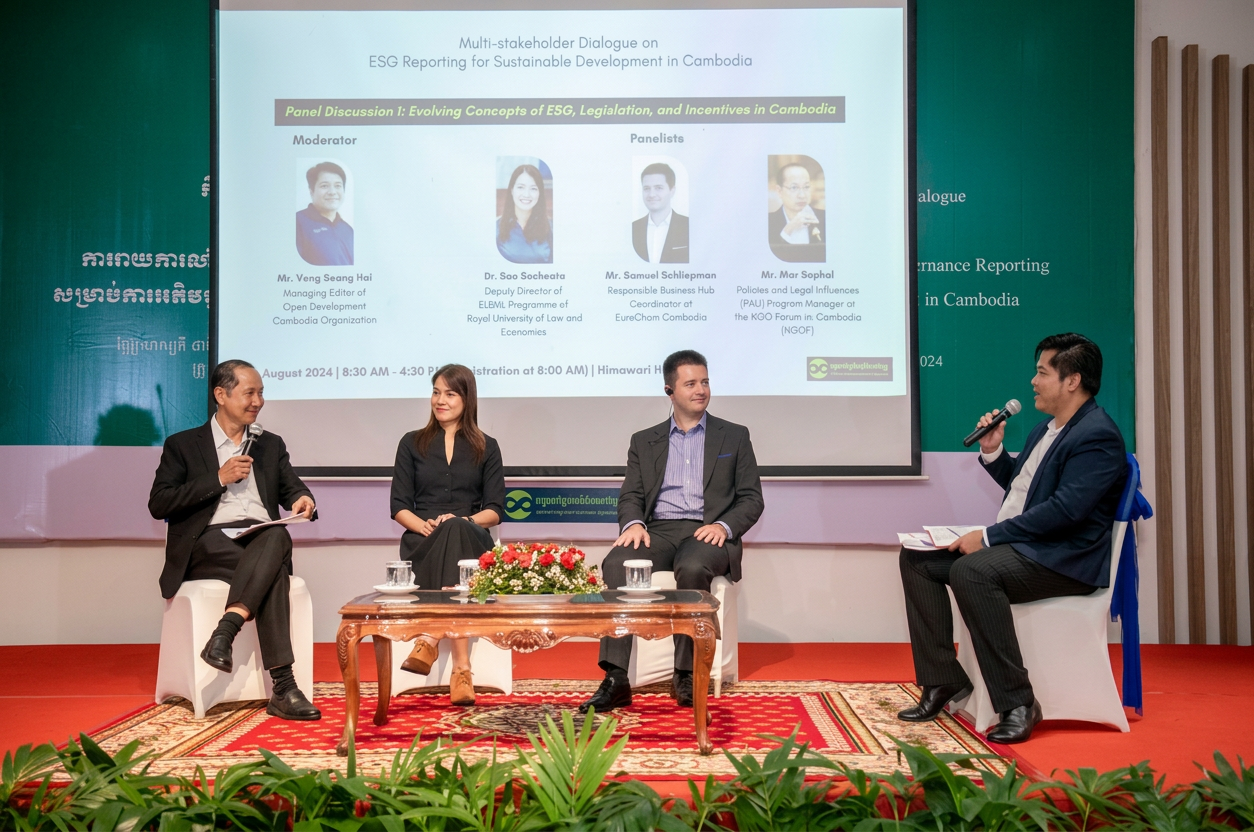

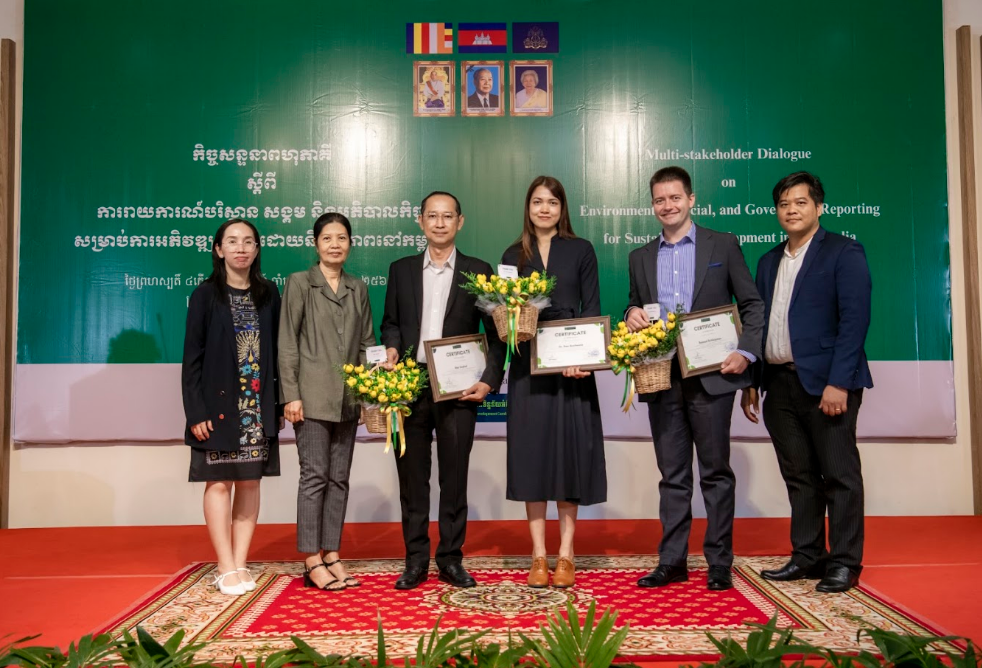
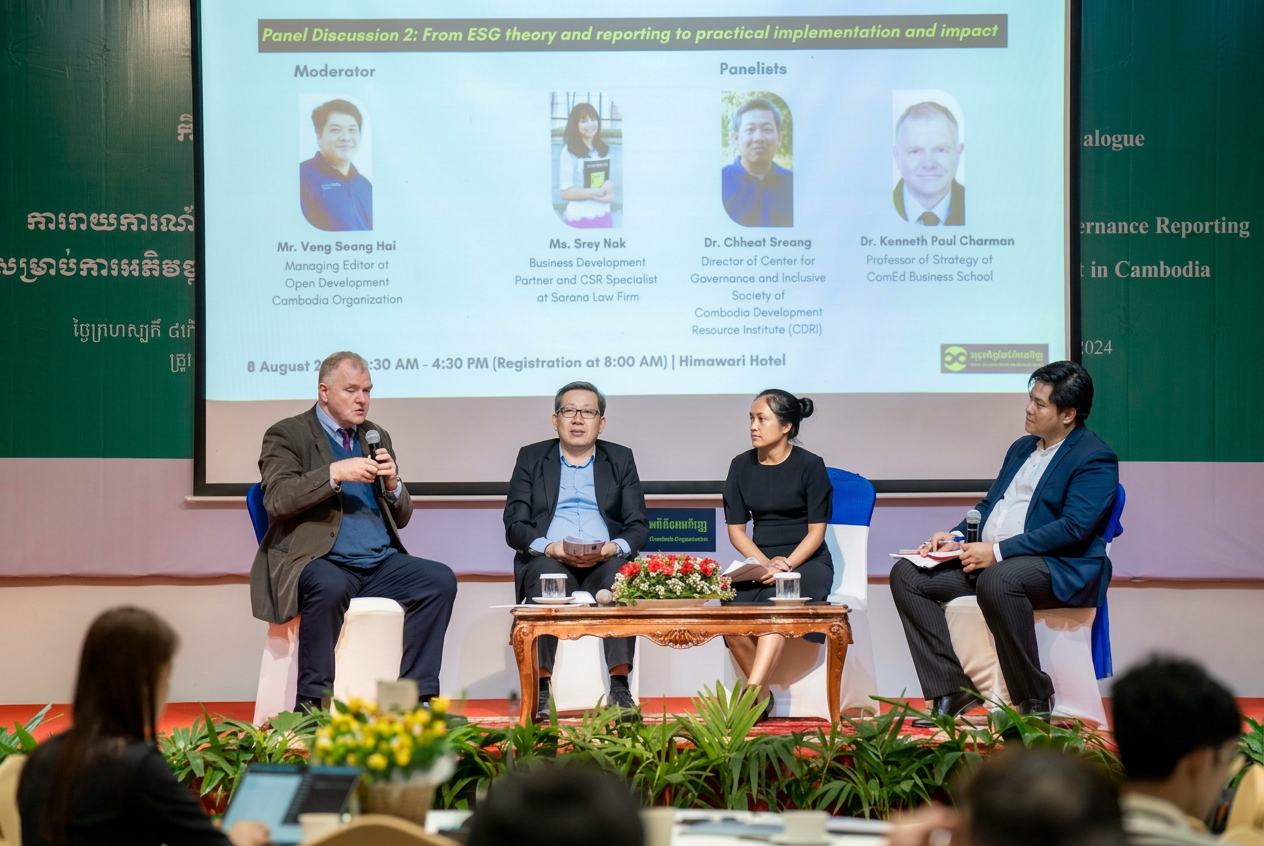
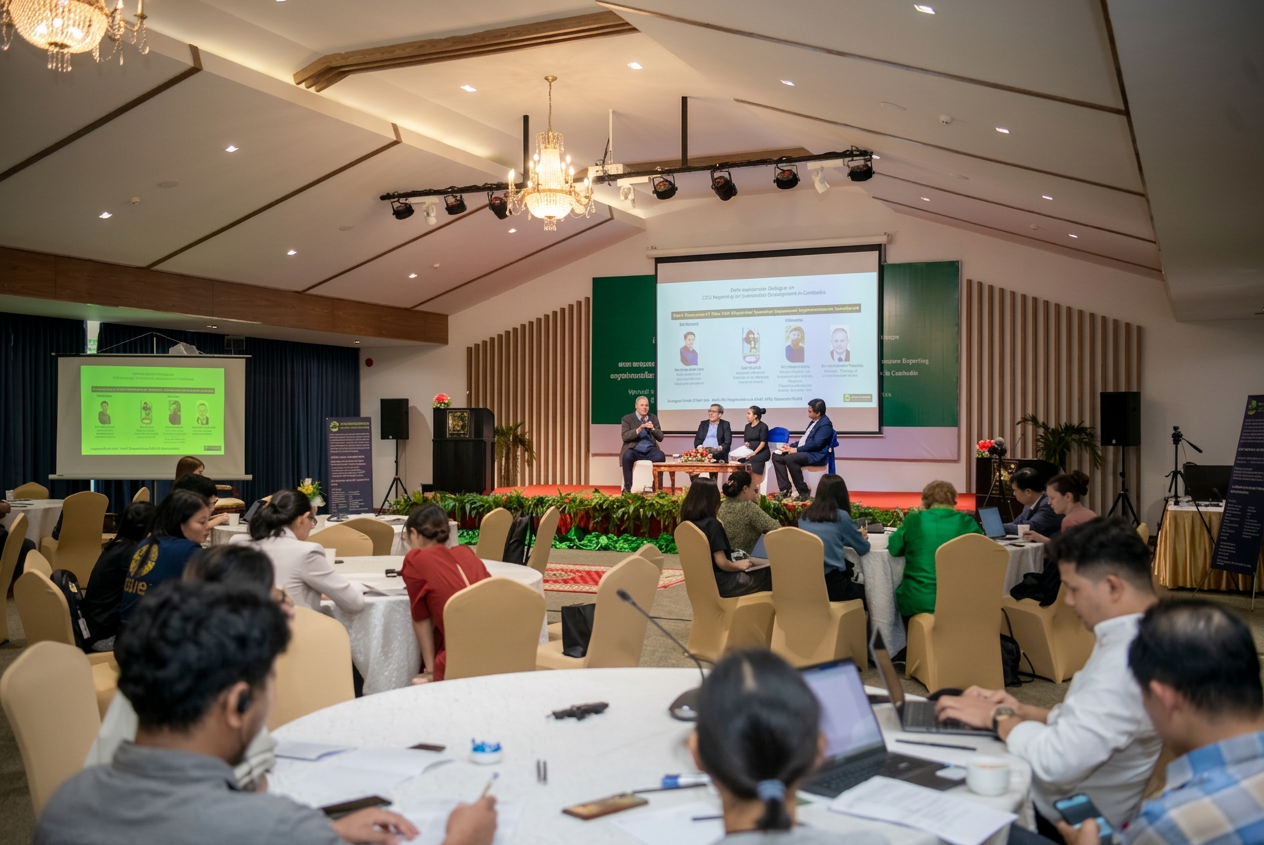
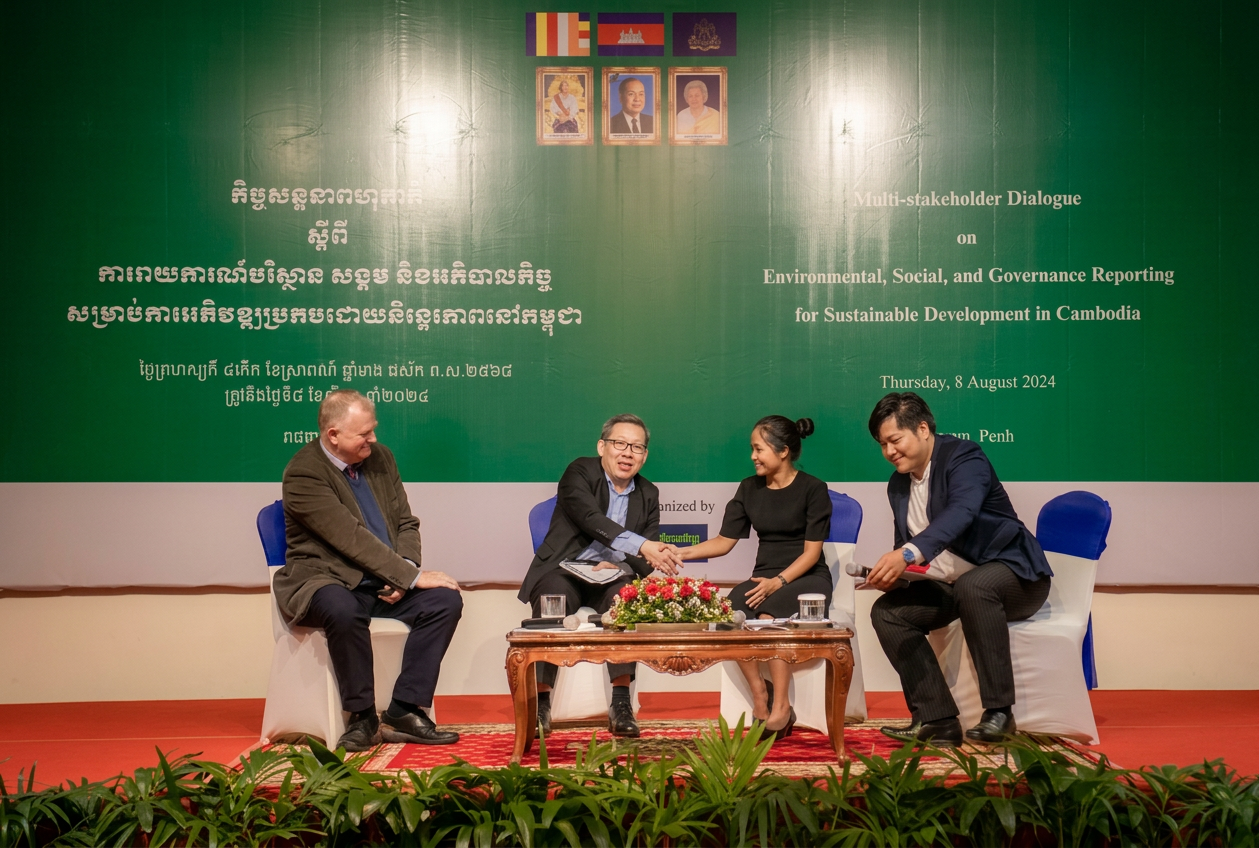
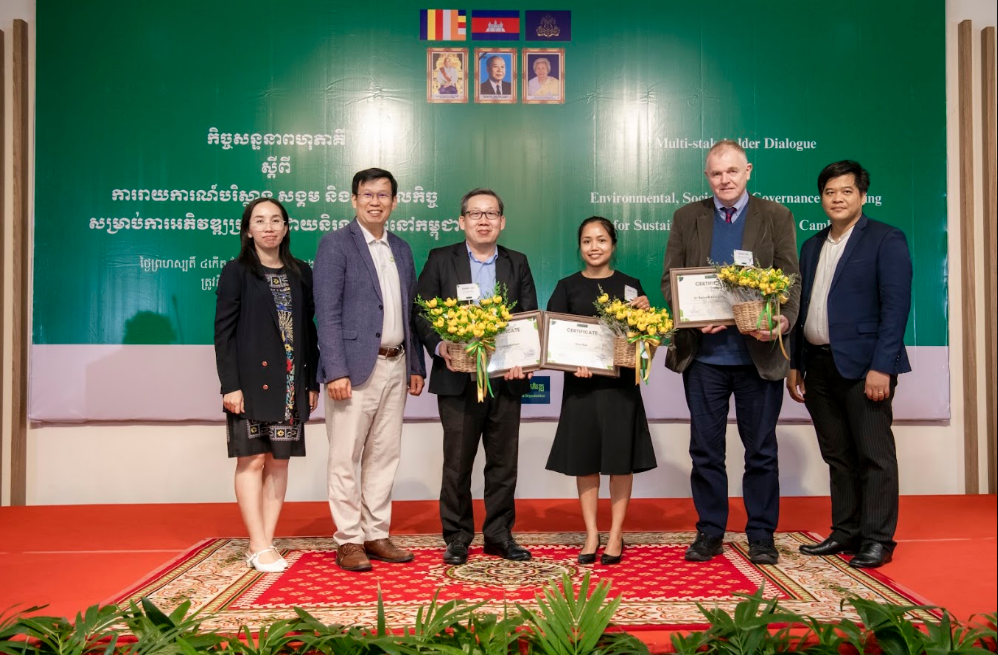
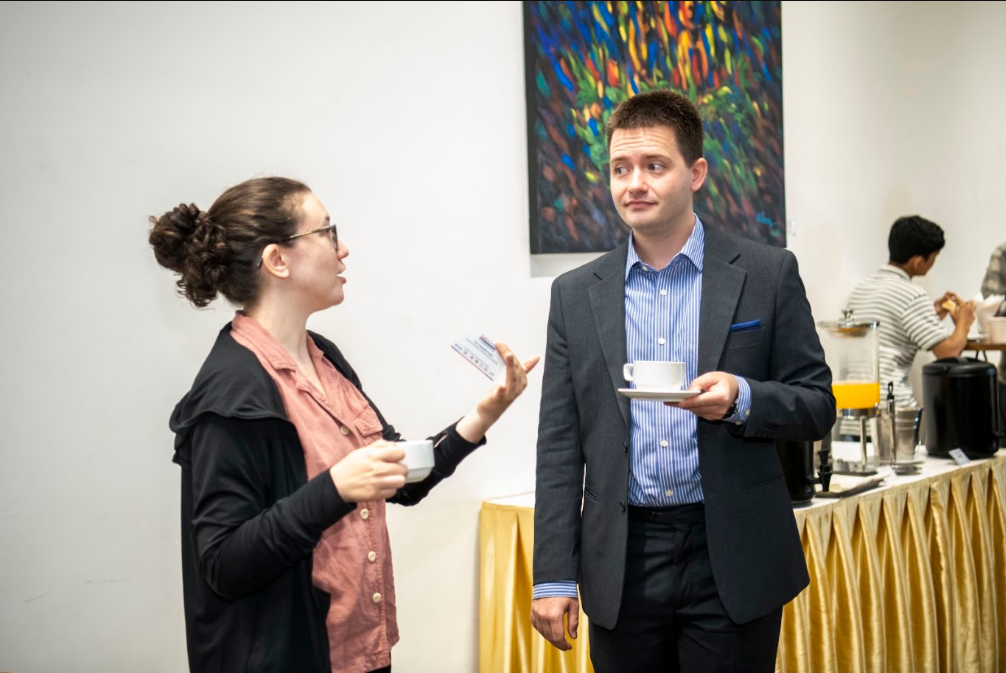
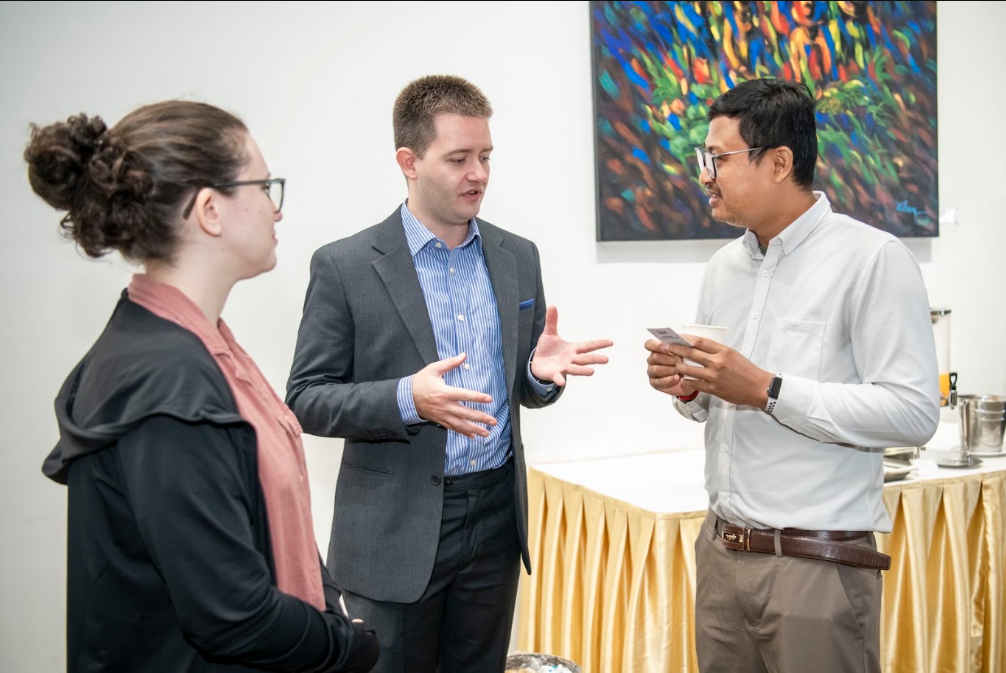
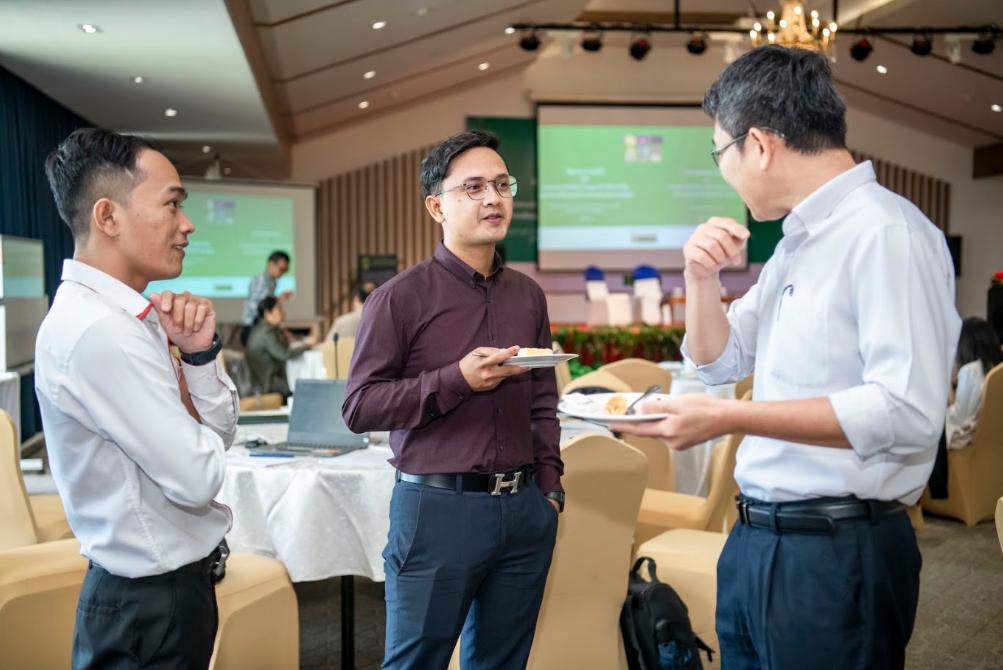
The challenge was to create enough structure for different perspectives to be heard, and enough trust for people to express them without the conversation immediately becoming a standoff.
A hired media team filmed every session, so the conversation didn’t end when the day did.
The recordings remain available as part of the project’s public record:
- Opening session
- Introduction to ESG
- First panel discussion
- Second panel discussion
- Presentation on sustainable information disclosure in China
The event itself lasted one day.
The conversation, at least in some form, could continue beyond it.
The part that’s mine to keep
The dialogue is written into the organisation’s institutional record now, and that’s exactly as it should be.
Projects belong to institutions. Events become part of organisational history. People move on.
But I know what it took to get people from several different sectors, who don’t usually finish each other’s sentences, to sit down and try anyway.
And I know that some of the speakers from that stage are still in touch with one another today, collaborating across different platforms to push ESG discussions and adoption forward in Cambodia.
That, more than the attendance number, is the outcome I remember most.
Maybe that’s what I was really trying to create all along.
Not simply a successful event, but a relationship that could survive the event.
What stayed with me
Looking back, I don’t think the most important thing I learned from that project was about ESG.
It was about how conversations begin.
Sometimes the biggest obstacle isn’t disagreement.
It’s that people are starting from completely different places and using the same words to mean different things.
Before asking people to find common ground, someone has to create a place where they can explain where they are standing.
And sometimes the most useful role is not to have the answer, but to create the conditions for other people to have a conversation worth continuing.
The data mattered.
The research mattered.
The concept note mattered.
The budget mattered.
The logistics definitely mattered.
But none of those things, on their own, could bring five different sectors to the same table.
People did that.
Trust helped them stay there.
And perhaps that is the quiet part of this kind of work that I have come to value most.
You can organise the room, prepare the agenda, coordinate the speakers and make sure the microphone works.
But in the end, you cannot manufacture a genuine conversation.
You can only create the conditions for one to happen.
The event lasted one day.
The relationships didn’t.
That’s the part I still carry with me.